Who Are We Training and Who Are We Leaving Behind?

The following is adapted from an op-ed that I wrote for the quarterly AUPO Newsletter.  Link Here

I practice as a glaucoma specialist at the University of Kentucky, in east-central Kentucky, and as I made my snowy 2-hour drive east on I-64 to my monthly satellite clinic in Ashland, Kentucky, my mind thought about the weather in San Diego, but more importantly, about the role we play in serving our underserved patients. That Ashland clinic is my busiest day of the month. The only glaucoma specialist in Huntington, West Virginia, moved to Florida about 2 years ago, and the only remaining glaucoma specialists are all over 2 hours away. By seeing them in their community, we have removed the barrier of traveling to a clinic, but we have not begun to address the numerous other barriers that prevent them from receiving the healthcare they deserve. 

The data presented at AUPO and published in JAMA Ophthalmology do not lie; we are facing a critical projected shortage of ophthalmologists nationwide (77% adequacy), but an especially critical projected shortage in rural areas (29% adequacy). URiM ophthalmologists are more likely to work in medically underserved areas; however, we still have work to do to make sure they are adequately represented in our workforce. A paper from the Journal of the AAMC found the strongest predictors of practicing in an underserved area are rural and low socioeconomic backgrounds and having an intent to practice in an underserved area at matriculation.

Yes, we have a duty to train the best and brightest, but also a duty to train those who are willing and able to serve the underserved. A holistic review process and other application review strategies may serve to mitigate bias and increase the number of residents that pursue practice in underserved areas by thinking about “alignment with values” instead of “fit.” 

As academic ophthalmologists, we have the unique responsibility of not only training and selecting the next generation of ophthalmologists, but also providing care at academic medical centers, often to the most complex and underserved patients. With rapid increases in AI innovation in healthcare, novel care delivery models will allow us to deliver healthcare to people who previously considered it inaccessible.

During our AOA induction in medical school, our current UKCOM Dean, Chipper Griffith, emphasized the words “to be worthy to serve the suffering.”  I think about those words often and they can bring me some peace when I’m frustrated with some of the challenges that come with treating our most underserved.  For those of you applying to ophthalmology residency, I challenge you to envision your future patient population and think about how you may be able to make yourself worthy to serve the suffering. 

If you find any errors in my math or have questions about how to interpret the data, feel free to email me at gtob222@uky.edu. I’m also happy to hear suggestions for future blog topics!

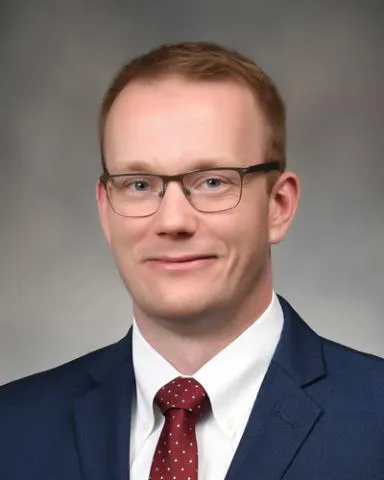
 - Garrett Oberst, MD

Dr. Oberst has served as the Associate Residency Program Director since July 2025

Prior Posts

Browse through previous editions of the Program Director musings here.

Click Here