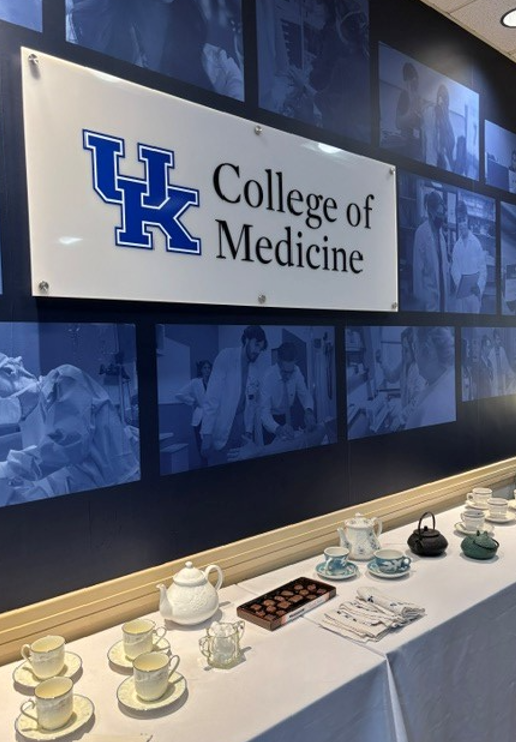
CreativiTEA brews connection across the College of Medicine
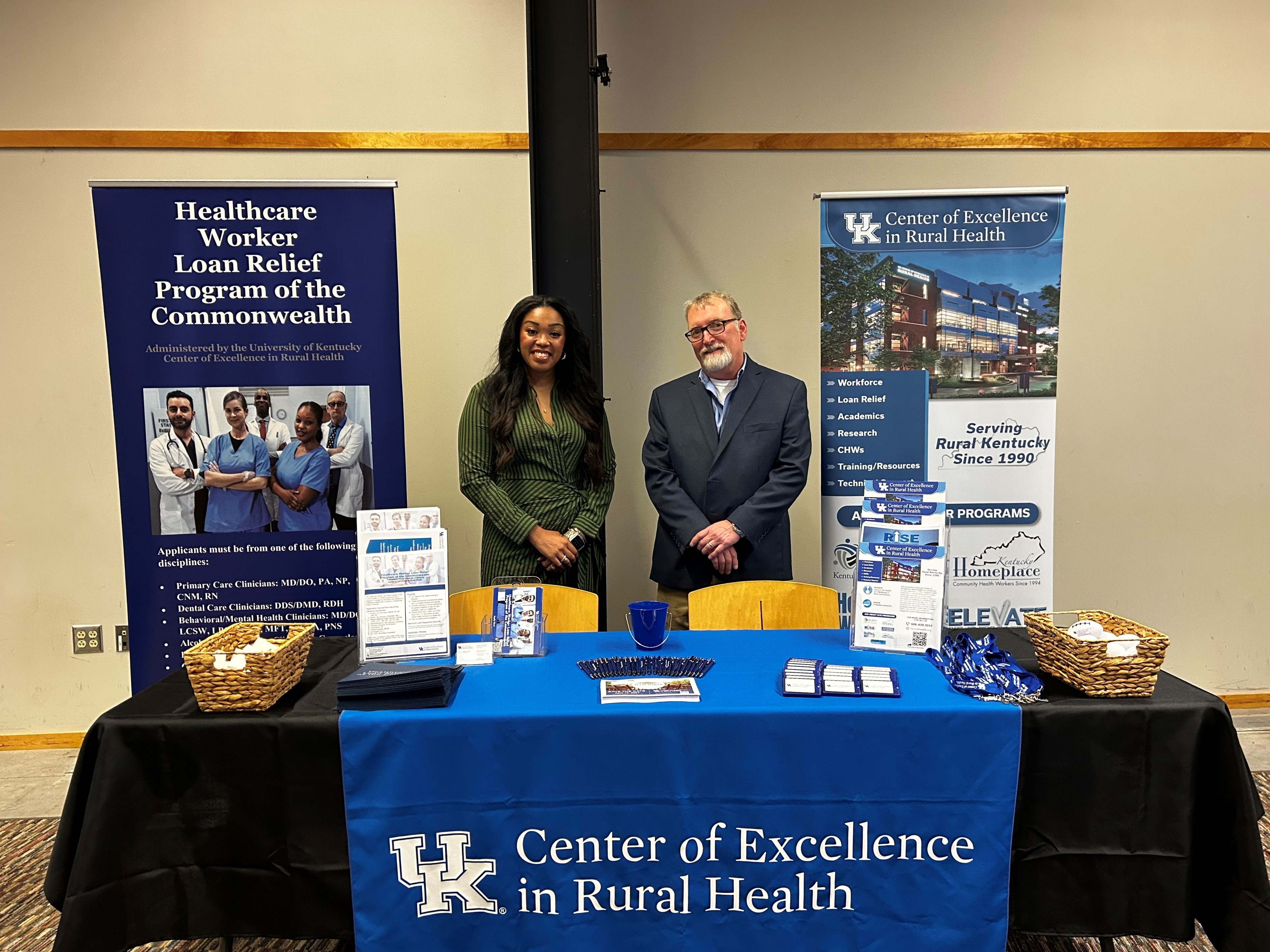
UK CERH Now Accepting Applications for Healthcare Worker Loan Relief Program of the…
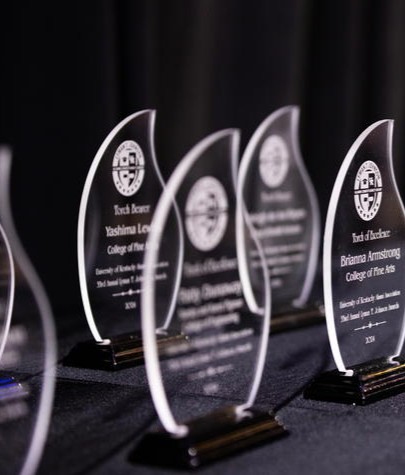
Alum, fourth-year medical student recognized with 2026 Lyman T. Johnson Awards
UK College of Medicine earns Gold-level AMA recognition for advancing physician well…
Markey physician leads new international guidance on bladder cancer biomarkers
News
In a place where the work is fast-paced and deeply meaningful, taking time to slow down can feel like a luxury. Between caring for patients, conducting research and educating future healthcare professionals, it's easy for conversations to stay focused on the task at hand.
The University of Kentucky Center of Excellence in Rural Health (UK CERH) is accepting applications for the Healthcare Worker Loan Relief Program of the Commonwealth (HWLRPC), a funding opportunity designed to strengthen Kentucky’s healthcare workforce by supporting the recruitment and retention of healthcare professionals in underserved communities.
Last Friday, the UK Alumni Association’s Lyman T. Johnson Alumni Constituency Group hosted its 35th annual Lyman T. Johnson Awards Luncheon. The event honors alumni and students from each academic college who embody the spirit and accomplishments of Lyman T.
The University of Kentucky College of Medicine and UK HealthCare have earned Gold recognition from the American Medical Association's Joy in Medicine™ Health System Recognition Program, the organization's highest distinction for healthcare systems working to improve physician well-being.
University of Kentucky Markey Cancer Center physician and researcher Patrick Hensley, M.D., led an international, multidisciplinary team of bladder cancer experts in the development of new recommendations designed to help clinicians determine when biomarker testing can meaningfully guide bladder cancer care.
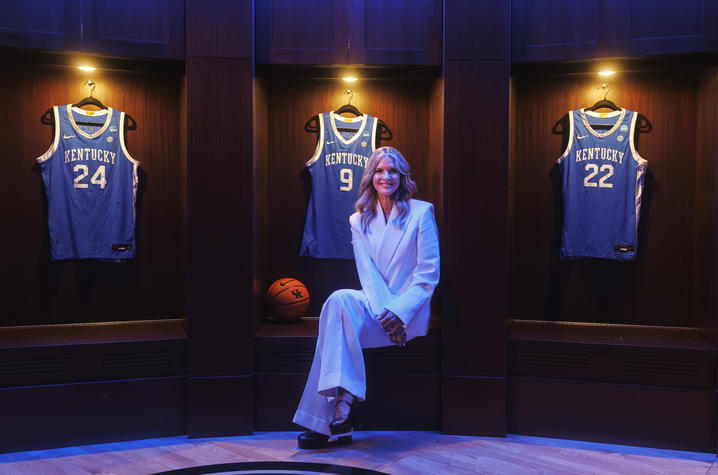

The University of Kentucky Salvation Army Clinic has been helping people in Lexington since 1986. The clinic started as a small corner in the Salvation Army dining room and has grown into one of the oldest student-run, free clinics in the country.
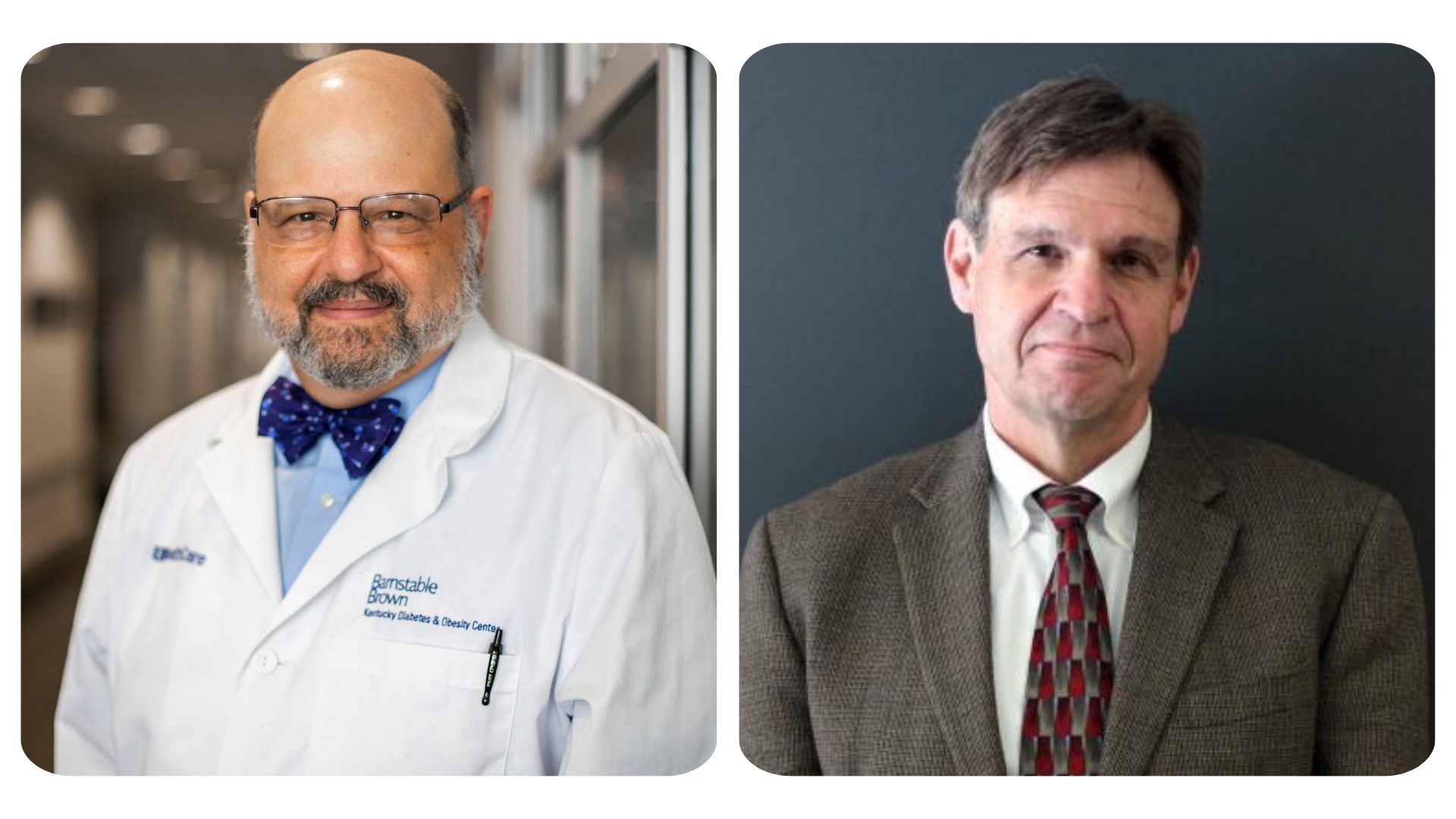
Sidney Whiteheart, Ph.D., professor of molecular and cellular biology, and Thomas Kelly, Ph.D., professor and chair emeritus of the Department of Behavioral Science, are the recipients of the prestigious William R. Willard Dean’s Recognition Award this year.

When Survivor viewers tune in each week, they're getting to know Sharonda Cox, M.D., as one of the castaways navigating alliances, competition and uncertainty on a remote island. But her colleagues at the University of Kentucky know her a little differently.

University of Kentucky researchers are part of a nationwide effort examining how the places people live, work and spend their lives may influence their risk of developing Alzheimer’s disease and related dementias.
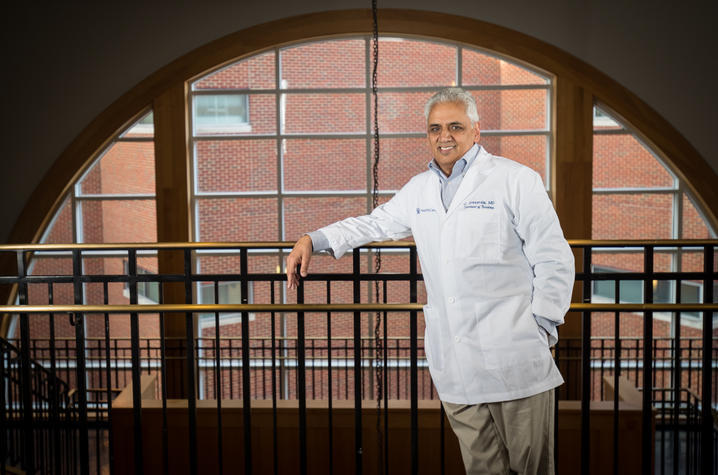
A University of Kentucky neurologist is proposing a new diagnostic roadmap that could help doctors identify hidden brain cancers earlier and prevent patients from undergoing months of treatment for the wrong condition.
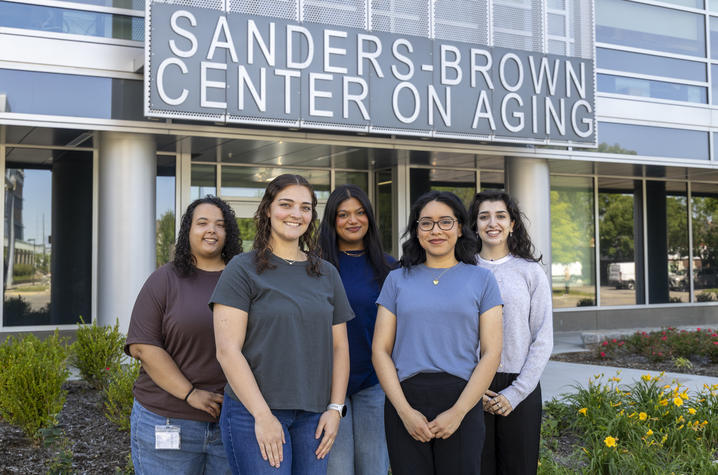
When Lauren Poe graduated from Centre College in 2025, she knew she was interested in medicine. She had not yet imagined research as part of her career.

Every person is a collection of genetic puzzle pieces. On their own, those pieces can be hard to understand, but together, those pieces come together to form the picture that is you.

Bluegrass Hospitality Group (BHG) is holding a raffle this September with a Hawaii vacation or $10,000 in cash as the prize.
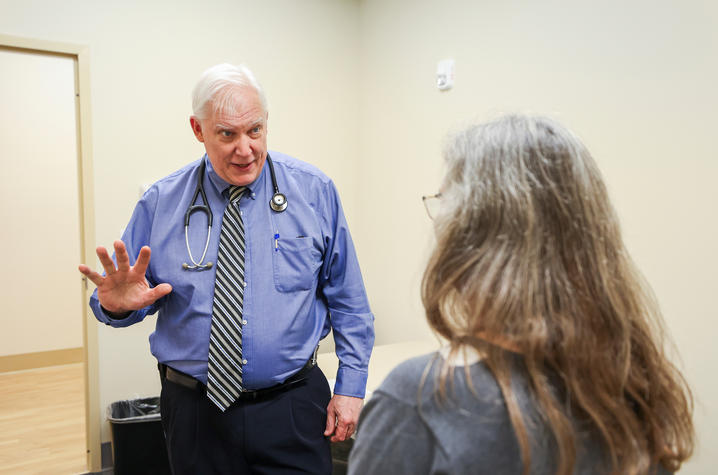
Much of the progress in Alzheimer’s disease research in recent years has focused on preventing or slowing the disease in its earliest stages. But for millions of people already living with advanced dementia — and the families caring for them — another question remains: how can we make life better now?
The University of Kentucky College of Medicine Office of Faculty Affairs and Development recently recognized faculty members who received promotions and/or were granted tenure this year.
During a celebration honoring the recipients, Dean Chipper Griffith, M.D., reflected on the dedication and impact represented by these achievements.
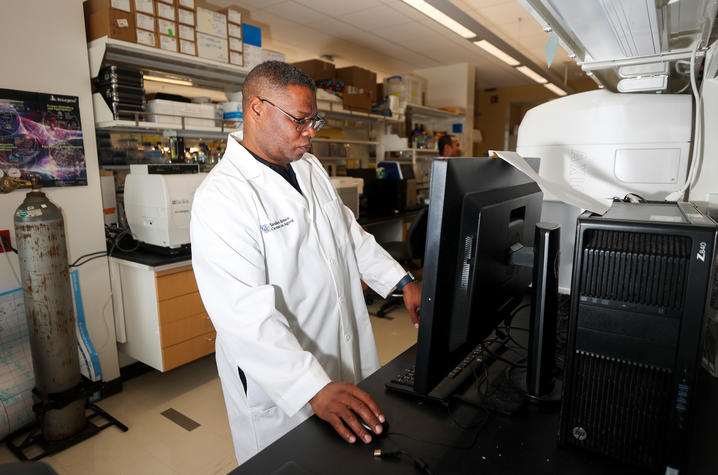
For years, scientists studying Alzheimer’s disease and related dementias have focused on one version of a protein called tau, a hallmark of Alzheimer’s disease and more than two dozen other neurodegenerative disorders collectively called tauopathies.
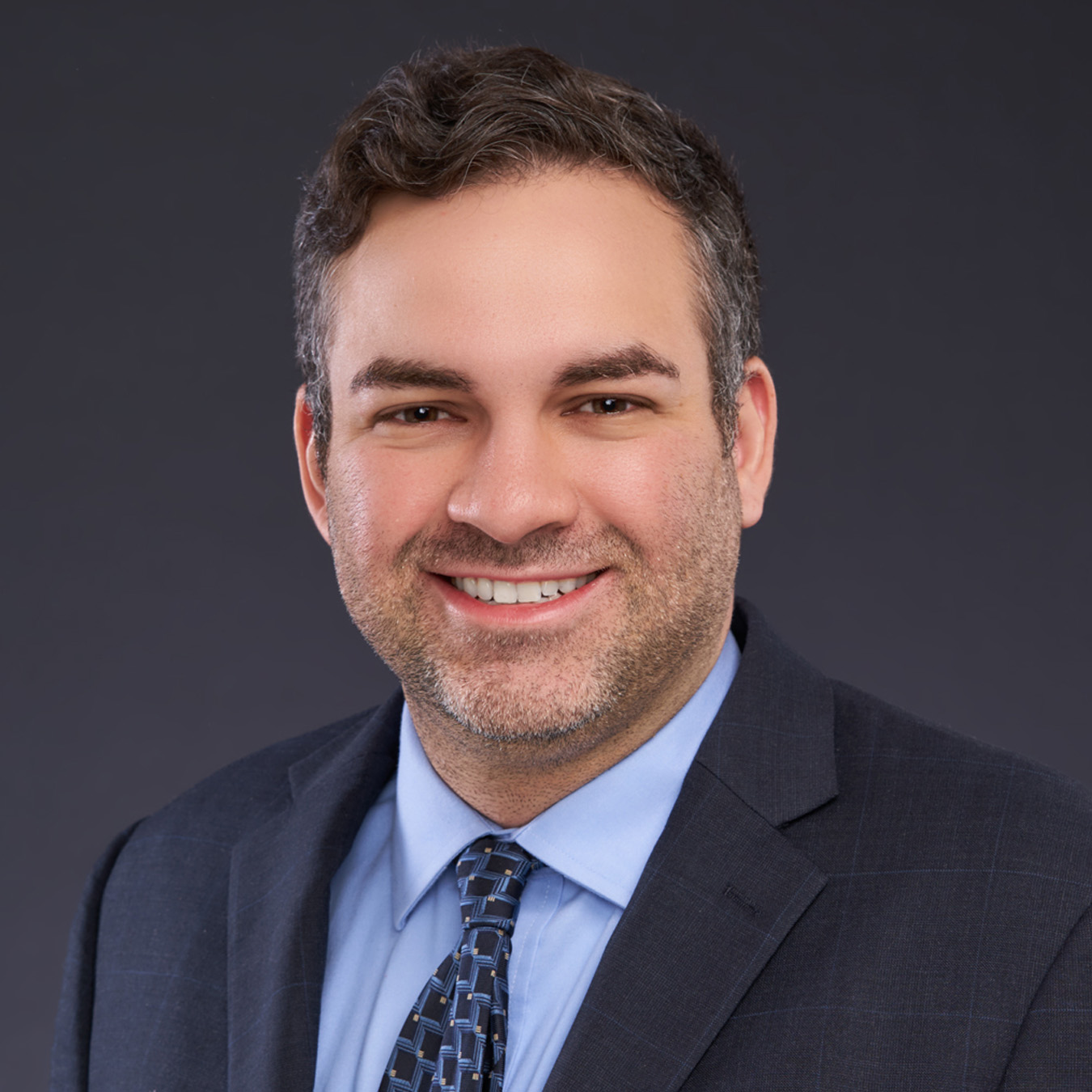
Christopher D. Radka, Ph.D., assistant professor in the Department of Microbiology, Immunology, and Molecular Genetics, is a corresponding author on a new study that sheds light on how Staphylococcus aureus can evade one of the body’s earliest defenses against infection.
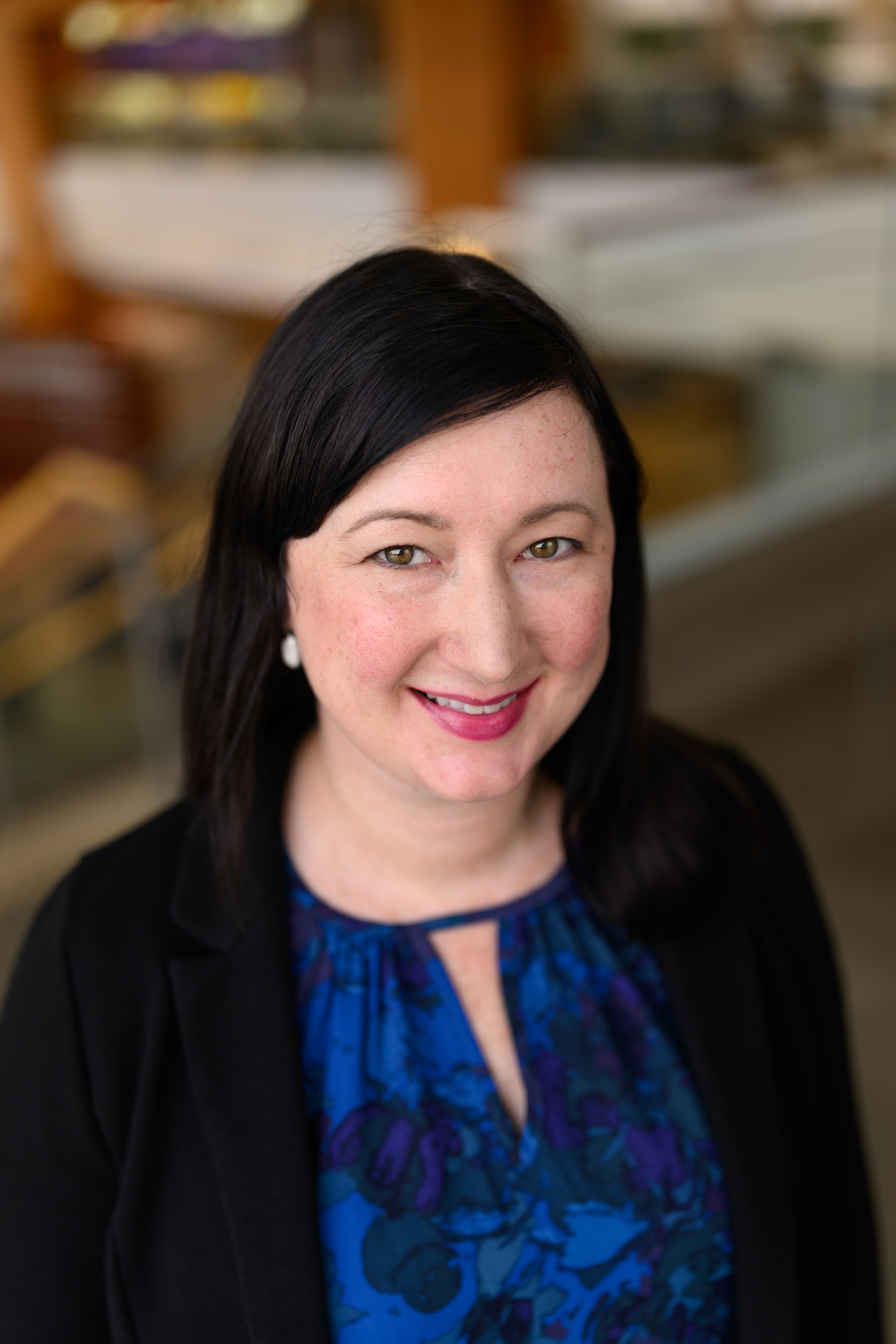
As interest in leadership development continues to grow across the University of Kentucky College of Medicine, the Office for Organizational Well-Being is expanding one of its signature programs.
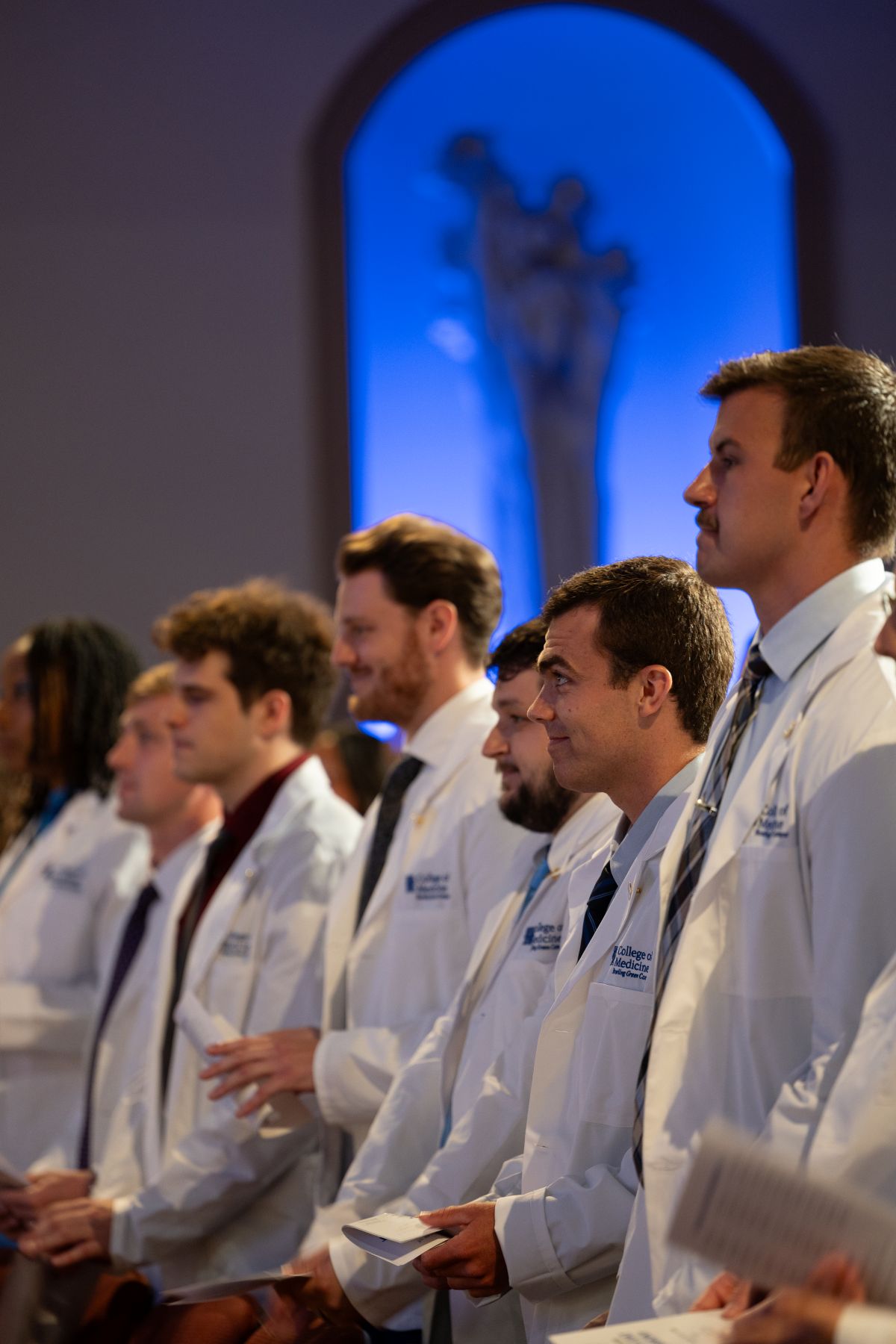
A total of 215 future doctors received their first white coats last week as the University of Kentucky College of Medicine welcomed its Class of 2030 with ceremonies across the state.