Pain Medicine Fellowship
Program Overview
The Pain Medicine Fellowship at the University of Kentucky has been accredited by the ACGME since 1993. We offer a one-year fellowship for five fellows annually. Our 12-month program provides experience in a multidisciplinary pain management setting with emphasis on interventional pain management approaches. The program offers educational experiences in interventional pain, anesthesiology, physical medicine and rehabilitation, neurology, neurosurgery, psychiatry, addiction medicine, headache medicine, as well as hospice and palliative medicine. The Pain Medicine Fellowship at the UK College of Medicine is provided through the Department of Anesthesiology, Perioperative, Critical Care, and Pain Medicine.
Applicants must have successfully completed an ACGME-accredited residency in:
- Physical Medicine and Rehabilitation
- Psychiatry and Neurology
- Radiology
- Family Medicine
- Emergency Medicine
Mission Statement
To train confident, interventional, and surgically proficient pain physicians through immersive exposure to the full spectrum of interventional and minimally invasive spine procedures, fostered within a supportive, team-based environment and designed to prepare graduates for leadership in comprehensive pain management.
Didactics
Subspecialty Conferences: Conferences covering didactic material outlined in the pain medicine curriculum are presented each week and are typically delivered by the multidisciplinary pain faculty. These sessions include both foundational and advanced topics in interventional pain medicine, minimally invasive spine procedures, neuromodulation, and comprehensive pain management. Pain fellows are also expected to lecture as part of their overall training experience, developing both teaching skills and deeper understanding of core topics. Guest faculty from other disciplines participate when appropriate to cover additional curricular areas such as orofacial pain, headache medicine, pediatric pain, addiction medicine, and rehabilitation.
Case Discussion Conferences: Cases are presented at least quarterly by the pain fellows in collaboration with multidisciplinary pain faculty. Cases of interest are selected from fellows’ clinical experience throughout the year and are designed to emphasize diagnostic reasoning, imaging interpretation, patient selection, procedural planning, and complication management. These conferences foster multidisciplinary discussion and reinforce evidence-based clinical decision-making.
Journal Club: Journal articles are presented weekly by pain fellows in collaboration with faculty. Articles are selected to provide both foundational knowledge and exposure to contemporary literature in interventional pain management, neuromodulation, minimally invasive spine procedures, and multimodal pain care. Alumni from the program are frequently invited to participate, providing real-world perspective and facilitating discussion on how emerging evidence translates into clinical practice.
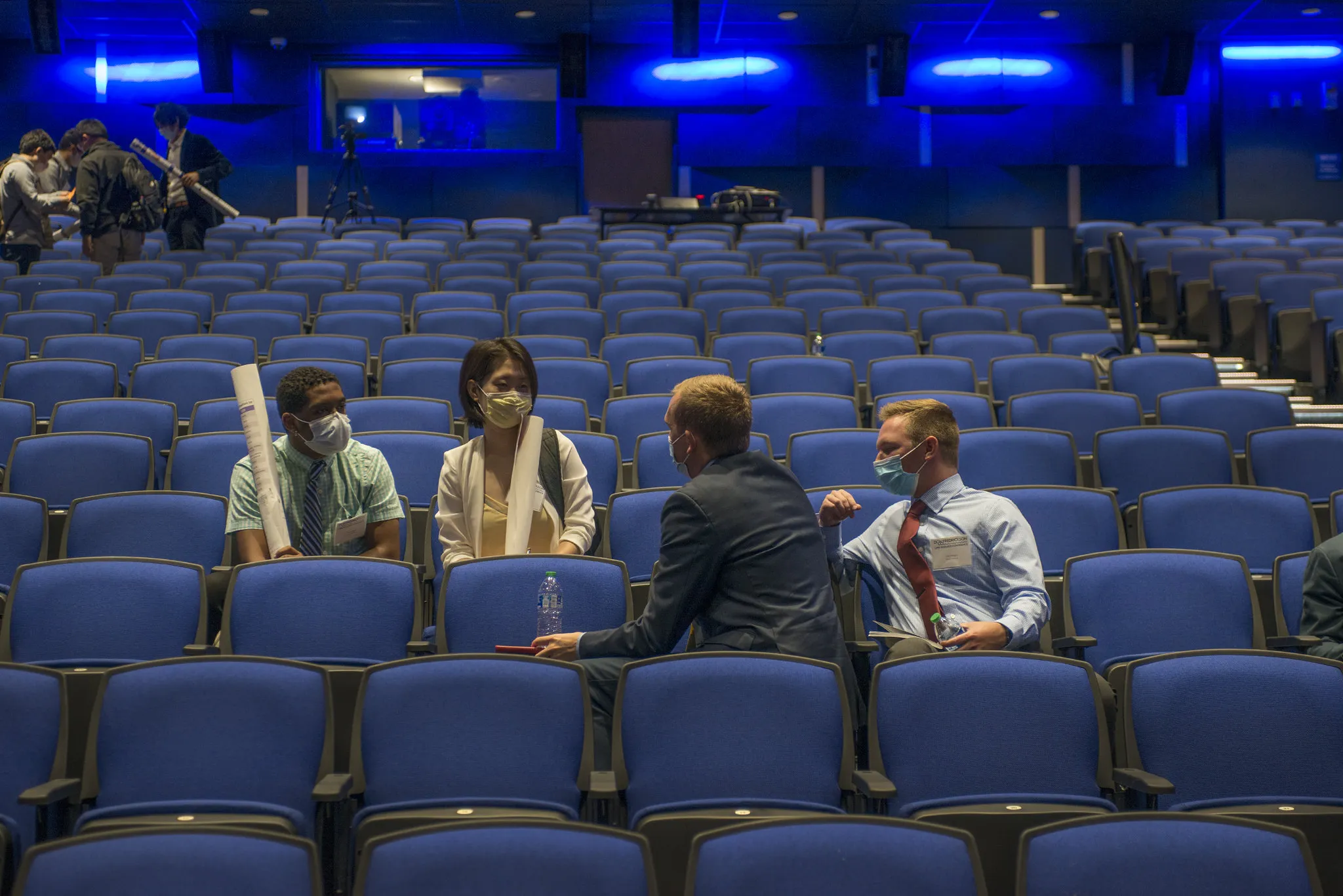
Fellowship Cadaver Courses: Fellows participate in two dedicated cadaver-based procedural training courses each year. The first course, typically held early in the fellowship year, focuses on foundational procedural skills including spinal cord stimulation, kyphoplasty, and intrathecal drug delivery systems, along with surgical technique and suture skills. The second course, held later in the year, emphasizes advanced spinal cord stimulation, dorsal root ganglion stimulation, and complex procedural techniques. These courses supplement clinical experience and provide hands-on training in a controlled educational environment.
Advanced Certifications: Fellows can complete structured training pathways and earn formal procedural certifications during fellowship. These include basivertebral nerve ablation (Intracept), SI joint fusion, dorsal root ganglion stimulation, minimally invasive lumbar decompression (MILD), and additional minimally invasive spine technologies. These certifications are integrated into the didactic curriculum and supported by hands-on training, simulation, and supervised clinical experience. Fellows graduate with formal procedural credentialing and experience that facilitates hospital privileging and immediate independent practice.
Graduates of the program practice in academic, private practice, hospital-employed, and VA settings across the country. Alumni routinely perform advanced procedures including neuromodulation, SI joint fusion, basivertebral nerve ablation, kyphoplasty, intradiscal therapies, and minimally invasive spine procedures. Graduates leave fellowship with experience in both bread-and-butter interventional procedures and advanced minimally invasive spine techniques.
Facilities
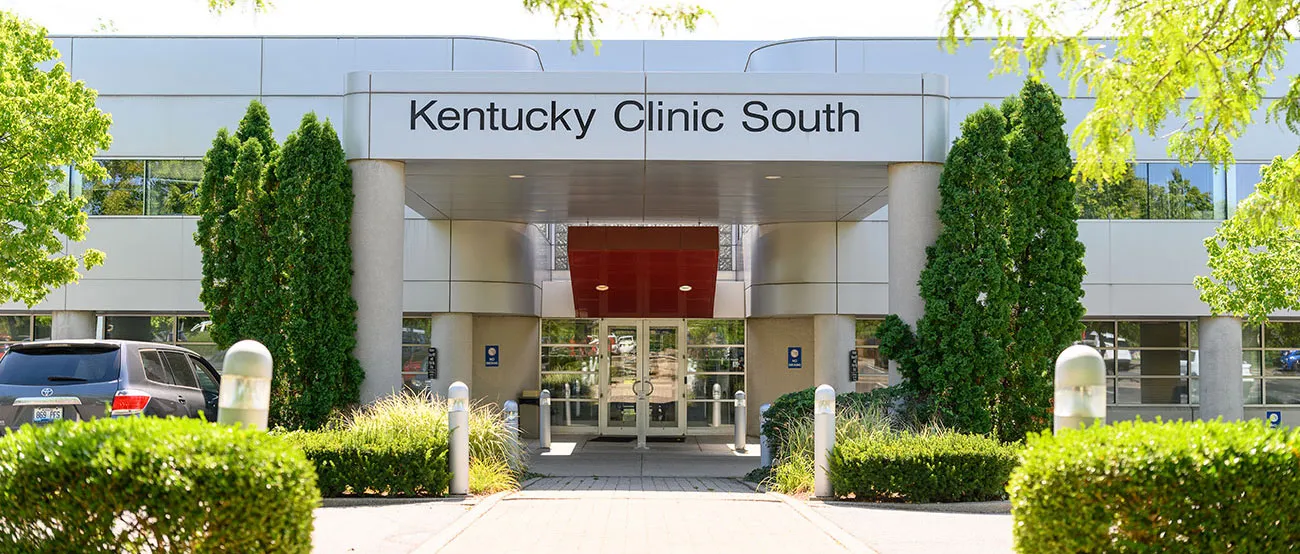
The primary sites for fellowship training include Kentucky Clinic South, UK Good Samaritan Hospital, Lexington Surgery Center. These locations provide a multidisciplinary pain management environment with emphasis on interventional pain management and minimally invasive spine procedures. All clinical sites are located within close proximity to one another, allowing fellows to transition efficiently between clinic, procedure suites, and operating room experiences while maintaining continuity of patient care.
Kentucky Clinic South and UK Good Samaritan Hospital serve the two outpatient training locations and function as comprehensive multidisciplinary pain management centers. These clinics are designed specifically for interventional pain medicine and include dedicated fluoroscopy suites, procedure rooms, ultrasound capability, and space for intrathecal pump management. Fellows evaluate new patients, manage follow-up care, and perform a wide range of interventional procedures in these settings. Across these outpatient facilities, the program performs approximately 19,000 clinic visits and 12,000 procedures annually, providing fellows with high-volume exposure to both foundational and advanced interventions.
Advanced surgical and implant procedures are performed at Lexington Surgery Center and UK Good Samaritan Hospital. These facilities provide operating room access for spinal cord and dorsal root ganglia stimulator trials and implants, intrathecal pump implantation, sacroiliac joint fusion, basivertebral nerve ablation, minimally invasive lumbar decompression, interspinous spacer placement and endoscopic spine procedures. Exposure to both ambulatory surgery center and hospital-based procedural environments allow fellows to develop familiarity with different practice models and procedural workflows.
Additional off service training occurs at UK Albert B. Chandler Hospital, where fellows gain experience in acute pain management, perioperative pain care, palliative care, neurosurgery, and headache neurology. These rotations provide exposure to surgical decision-making, complex spine pathology, perioperative pain strategies, palliative care and management of refractory headache disorders. These experiences enhance fellows’ understanding of surgical indications, referral patterns, and comprehensive neurologic pain evaluation.
Physical medicine and rehabilitation exposure is provided at Cardinal Hill Rehabilitation Hospital. This rotation emphasizes functional restoration, rehabilitation strategies, spasticity management, musculoskeletal medicine, and multidisciplinary non-operative spine care. Together, these facilities provide a comprehensive clinical training environment spanning the spectrum of outpatient interventional pain care.
Contact Us
Stacey Sindelar
GME Program Coordinator - Fellowships
Department of Anesthesiology, Perioperative, Critical Care, and Pain Medicine
UK Chandler Medical Center
800 Rose Street MN256, Lexington, KY 40536
Phone: 859-218-0089
Fax: 859-323-1080
Stacey.Sindelar@uky.edu
Core Faculty
Christopher J Mallard, MD
- Assistant Professor of Anesthesiology
- Pain Medicine Fellowship Program Director
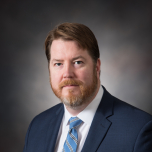
Michael E Harned, MD
- Professor of Anesthesiology
- Associate Pain Medicine Fellowship Program Director

Stuart T Cowley, MD
- Assistant Professor

Brock Marrs, MD
- Assistant Professor
- Associate Pain Medicine Fellowship Program Director
Off-Service Faculty

Danielle M. Anderson, MD
- Assistant Professor

Dana Ionel, DO
- Assistant Professor
- Program Director, Headache Medicine Fellowship

Jessica McFarlin, MD
- Associate Professor
- Chief, Division of Palliative Care

Rouzbeh Motiei-Langroudi, MD
- Associate Professor of Neurosurgery
- Complex and Deformity Spinal Surgery
- Director, Minimally Invasive Spine Surgery (MISS)

Sara Shahid Salles, DO
- Professor
- Vice Chair
- Medical Director of Physicians Clinic
Current Fellows
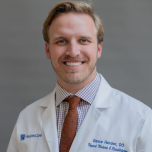
William Harden, DO
- GME Fellow

Benjamin Headley, MD
- GME Fellow

Augusta Kiepper, DO
- GME Fellow
Francesco Maoli
- GME Fellow
Austin Peralta-Fogle, MD
- GME Fellow