TRIAD Training
Why AD Research?
What impacts health, impacts Alzheimer's disease
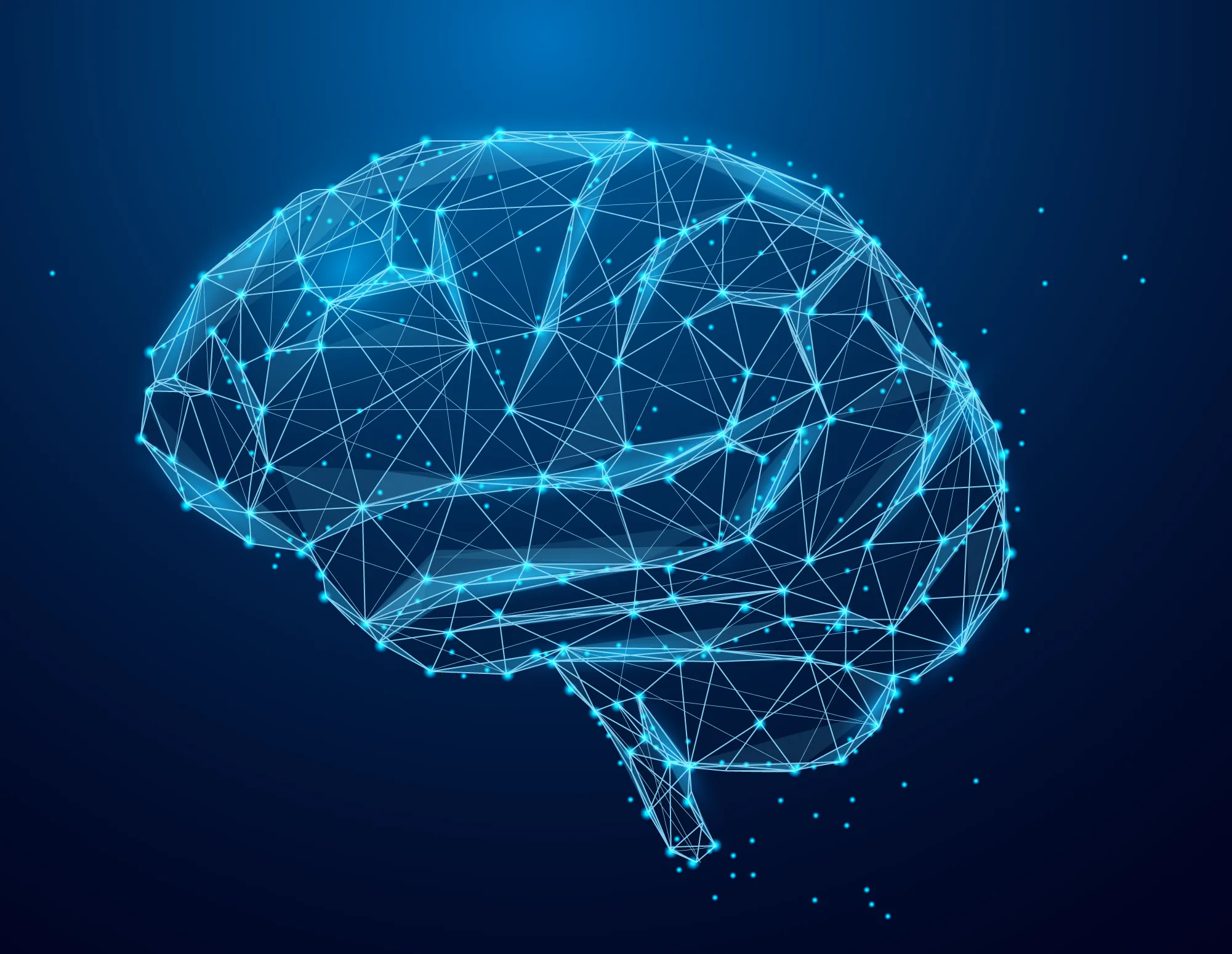
Alzheimer's disease is connected to many scientific disciplines because its risk and progression are shaped by a wide range of biological, health, and social factors. Genetics, neuroscience, public health, psychology, and even environmental and social sciences all contribute to understanding how and why the disease develops. Conditions such as cardiovascular disease, diabetes, sleep disorders, and mental health also influence risk, making Alzheimer's research inherently interdisciplinary.
- Age
- App/PS1/2 Mutations
- APOE4
- Brain Injury
- Depression
- Diabetes
- Digestive Disorders
- Down Syndrome
- Family History
- Hearing Loss
- Heart Disease
- Hypertension
- Hypertensive Pregnancy
- Hysterectomy
- Immune Response
- Low Education
- Low Exercise
- Menopause
- Obesity
- Oral Diseases
- Pollution/Toxins
- Poor Diet
- Poverty
- Race
- Sleep Disorders
- Smoking
- Stress
- Thyroid Disease
- Viruses
Spanning nearly every area of health-related science, AD research relies on sustained collaboration across multiple disciplines to better understand, prevent, and treat neurodegeneration.
Lifestyle Science in Alzheimer's Prevention
Lifestyle factors like proper nutrition and regular physical activity play a significant role in reducing the risk of Alzheimer's disease. As a result, fields such as exercise physiology and nutritional sciences have become increasingly important in advancing prevention, and can serve as the foundation for a productive career in AD research.
Decoding Alzheimer's Through Data
Are you a numbers person? Data modeling and computer science are critical to our understanding of risk factors in Alzheimer's disease, and for making sense of vast, complex datasets, from patient biomarkers to advanced brain imaging.
Social Sciences Addressing Disparities in Alzheimer's Care
Are you passionate about the social sciences? Disparities in health care access, socioeconomic factors, and community engagement are central to understanding how Alzheimer's impacts different populations. By studying these factors, social scientists help identify barriers to diagnosis, treatment, and support.

My favorite aspect of the program was the small group size, which facilitated more cross-training, collaboration, and camaraderie between labs, showing me how expansive the field of brain health could be.

TRIAD provided a strong foundation of structured training and interdisciplinary mentorship. Its supportive research environment was instrumental in my scientific growth and contributed to my successful transition to an NIA-funded K99 award.
Learn More


Connect With Us
Email Us
Reach out to Sanders-Brown Training with questions about the TRIAD program, and a team member will be in touch.
Join Our List
Subscribe to receive notifications and updates about the TRIAD program.