Academic Training
A Dedicated Approach
Biomedical and behavioral science career pathways are diverse and continually evolving, spanning across academia, industry, the public sector, and beyond. Whether pursuing roles in laboratory research, clinical and translational science, data analysis, or science communication, success in these fields requires more than disciplinary knowledge alone. Alzheimer’s disease research training experiences — such as those offered through the Sanders-Brown Center on Aging (SBCoA)— help individuals explore career options, build technical and analytical competencies, and clarify long-term goals. By providing hands-on experience, exposure to multiple career trajectories, and guidance from experienced professionals, training programs play a critical role in preparing the next generation of biomedical and behavioral scientists to make meaningful, real-world impact.
POSTBAC

PREDOC & POSTDOC
FACULTY
COMMUNITY

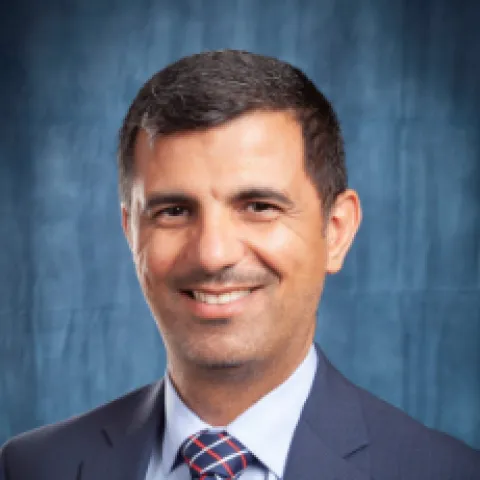
The REC program contributed to my professional development by supporting equipment acquisition, data collection, mentorship, and collaboration. It strengthened my ability to work in interdisciplinary research environments.

TRIAD provided a strong foundation of structured training and interdisciplinary mentorship. Its supportive research environment was instrumental in my scientific growth and contributed to my successful transition to an NIA-funded K99 award.
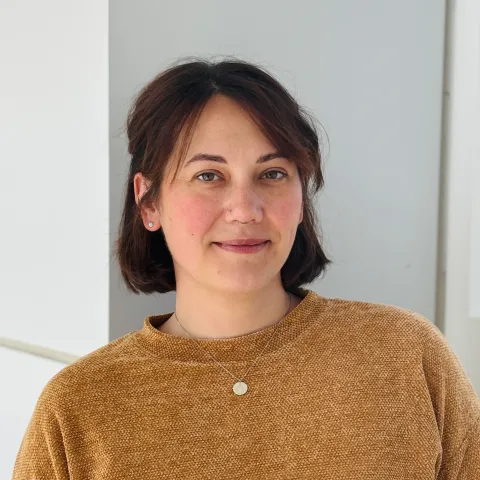
Through seminars, workshops, and interactions with students, faculty, scientists, and medical practitioners, I had an interactive learning experience that has proven invaluable to my growth as a scientist and research professional.
In The News
Studies Raise Concerns about Gabapentin and Cognitive Risk
GYeon Oh, PhD, TRIAD T32 Alumna
A Different Type of Dementia is Changing What's Known About Cognitive Decline
Greg Jicha, PhD, Sanders-Brown Faculty
UK Researchers Discover Brain's Energy 'Hijacked' by Alzheimer's Protein
Shannon Macauley, PhD, Sanders-Brown Faculty
Email Us
Feel free to contact us with questions about our academic training programs, and a member of our team will be in touch.