
TRIAD T32
Train in a nationally-renowned Alzheimer's disease research environment for translating discoveries into meaningful impacts on brain health.
Located at the University of Kentucky, TRIAD is a one to two-year program for predocs and postdocs to gain specialized, in-depth research training and professional skills to advance their scientific careers.
About T32 Training
Funded by the National Institutes of Health (NIH), T32 training grants support predoctoral and postdoctoral scholars pursuing careers in biomedical, behavioral, and clinical research. Their intent is to provide a paid, structured research environment where trainees can refine the scientific and professional skills needed for advanced careers in academia or the private sector.
Deepen your research focus and expertise for a competitive resume.
Determine whether an academic or private-sector pathway is right for you.
Collaborate with a dedicated mentor and cross-disciplinary team for guidance.
About TRIAD
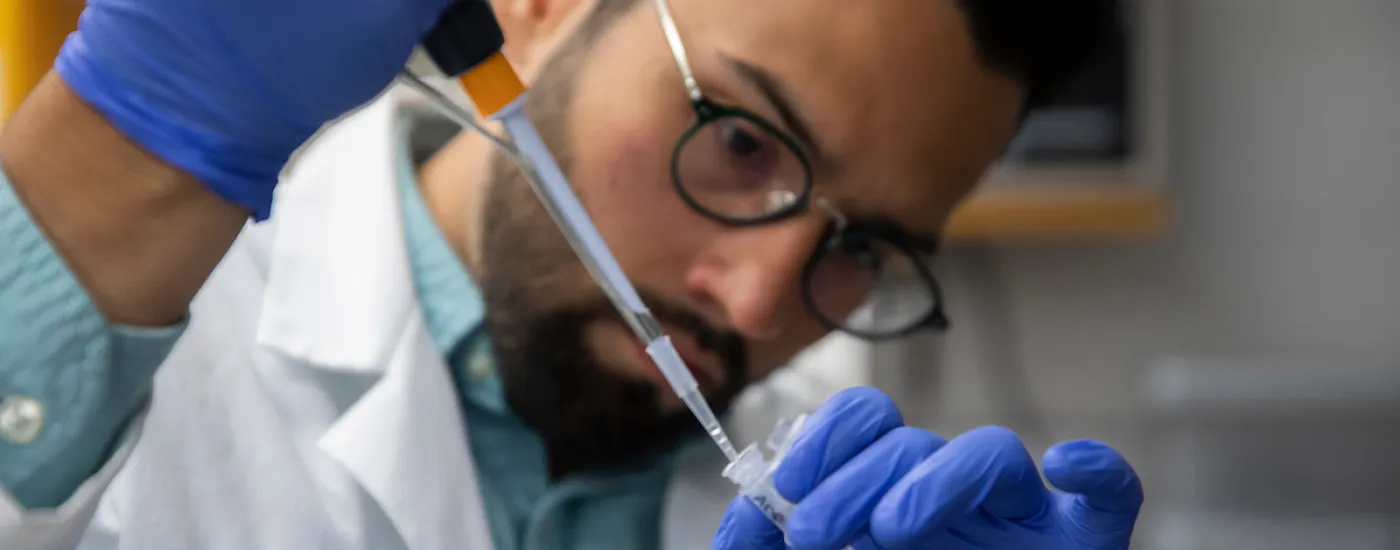
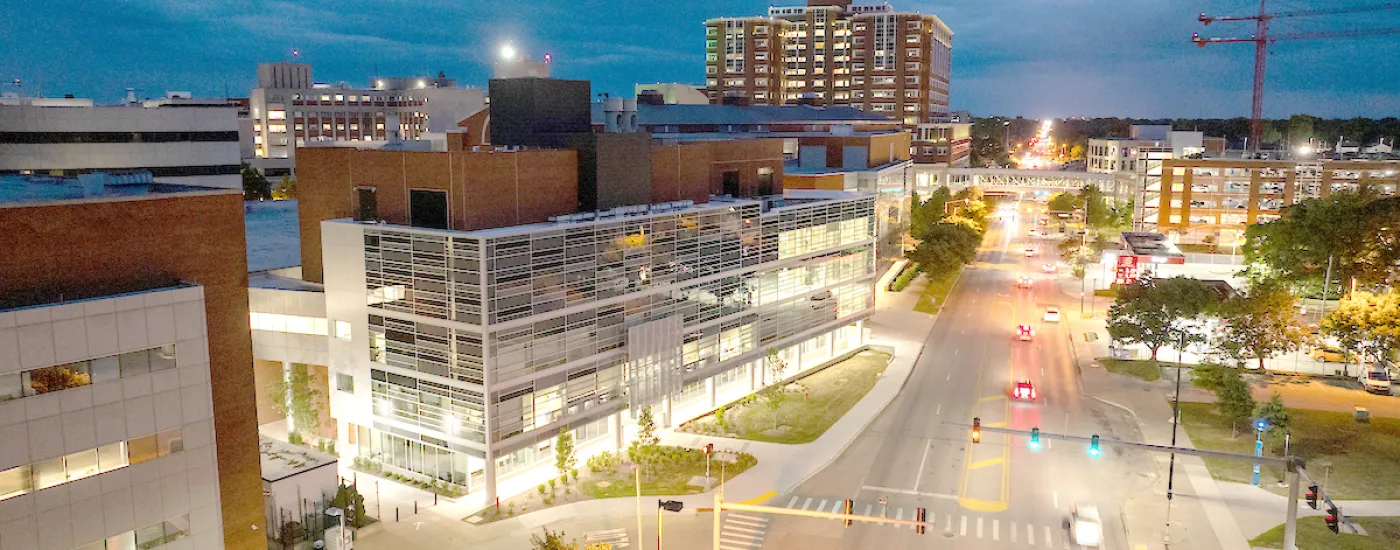
Our T32 program offers predoctoral and postdoctoral scholars one to two years of mentored research training within a cohort model that provides lasting professional networks. Located within the nationally recognized Sanders-Brown Center on Aging at the University of Kentucky, TRIAD provides an immersive environment for cross-disciplinary, high-impact research in neurodegenerative disorders.
Translational Research
The Translational Research in Alzheimer's and Related Dementias (TRIAD) program — the first grant at the Sanders-Brown Center on Aging dedicated to these disorders — emphasizes cross-disciplinary training from research labs to patient care treatments. Often called "bench-to-bedside," translational research involves translating laboratory discoveries into treatments that benefit patients — moving knowledge from theory to practice.
Conduct Science in a Nationally Recognized R1 Research University
The University of Kentucky's R1 designation reflects a sustained commitment to cutting-edge research, graduate education, and translating knowledge into real-world impact.
Work at One of the Nation's Original Ten Alzheimer's Disease Research Centers
Gain access to state-of-the-art resources and advanced technologies supported by a dedicated and well-funded research infrastructure focused on Alzheimer's disease.
Work in Translational Research, Turning Discovery into Impact
Engage in full-spectrum research, from experiments in cultured cells and model systems to studies involving human patients, enabling scholars to connect fundamental discoveries to real-world clinical applications.
Employment
Positions are regular, full-time, salaried with benefits for up to 2 years in accordance with NIH payment standards for T32 programs. Financial support also includes relocation assistance, conference attendance, individual research funds, and tuition (if needed).
Eligibility
Predoctoral scholars who have successfully completed their qualifying exam. Typically, applicants are enrolled in the University of Kentucky's Integrated Biomedical Sciences graduate program or the MD/PhD program in the College of Medicine. Qualified applicants from other programs should inquire by emailing Sanders-BrownTraining@uky.edu.
Postdoctoral scholars should have completed a PhD in a relevant field. Given the wide range of risk factors associated with Alzheimer’s disease, this includes most areas within the biomedical and behavioral sciences. Applicants who have successfully defended their dissertation prior to the employment start date, but have not yet had their degree formally conferred, are also eligible.
While we welcome all qualified individuals, please note that this training program is only open to United States citizens and permanent residents.
Application
The 2026 application period is currently closed, but will reopen in early 2027.
To apply for this position, you will need to upload a single PDF that includes a (1) cover letter, (2) research proposal, and (3) resume, CV, or biosketch. We recommend that postdocs explain in their cover letter how their degree or training background relates to Alzheimer's disease research if it's not readily apparent from their resume. A panel will review, score, and rank each submission, then notify candidates.
Timeframe
Applications are only accepted during the Request for Applications period, which is currently closed but will occur again in early 2027. To receive notifications of our next application period, join our contact list for news and updates about our program.
Additional Details
For more information about this program, visit our program details and FAQs pages.
Learn More

Connect With Us
Email Us
Reach out to Sanders-Brown Training with questions about the TRIAD program, and a team member will be in touch.
Join Our List
Subscribe to receive notifications and updates about the TRIAD program.