
Research
Our Research Mission
The Department of Radiation Medicine has a long history of laboratory, translational, investigator-initiated and cooperative group clinical trials research. Among numerous discoveries over the past several decades, our researchers have advanced understanding of the role of reactive oxygen species (ROS) in sensitivity to radiation and chemotherapy, as well as the potential use of ROS in cancer treatment. This work extends to investigations of serine/threonine kinases and Par-4 and their roles in regulating autophagy and resistance to cancer therapy.
In parallel, our researchers are studying ways to improve the effectiveness of cancer treatment and quality of life for patients with cervical cancer, including strategies to address hormone imbalance following treatment. We are also working to better understand factors that affect treatment response. Our research has shown, for example, that smoking is associated with increased mortality, recurrence and treatment toxicity and can alter biological pathways involved in tumor proliferation, angiogenesis, migration, invasion and treatment resistance. Additional research is focused on immune depletion caused by radiotherapy, with the goal of developing targeted approaches that limit the impact of treatment on the immune system.
The future of research is also being shaped by advances in automated processes, algorithms and artificial intelligence that enable rapid analysis of increasingly complex data. The University of Kentucky has expanded the use of AI-related capabilities in medical care, including tools that support the documentation, organization and analysis of patient care.
Combined with our community outreach and the Markey Cancer Network, which includes 20 hospitals across Kentucky, these capabilities create opportunities to improve cancer care for individual patients and support broader improvements across the state. Our physicians and physicists, working alongside residents, students and staff, are helping shape the future of cancer care.
This work includes improving clinical care through more efficient systems, developing structured clinical data for use in medical records, increasing patient engagement through evidence-based approaches and collaborating across the Markey Cancer Center, UK HealthCare, the Markey Cancer Network and with partners nationwide. Together, these efforts strengthen our ability to move discoveries from the laboratory into patient care and bring insights from patients back to the laboratory, helping guide research at the cellular level while remaining grounded in patients’ needs and experiences.
As research continues to become more complex and new discoveries emerge, we remain focused on the needs of patients and communities across Kentucky. Our team is committed to providing excellent care while continually asking how we can improve. Through research that challenges existing approaches and advances our understanding of cancer and its treatment, we aim to improve care for Kentucky families today and for generations to come.
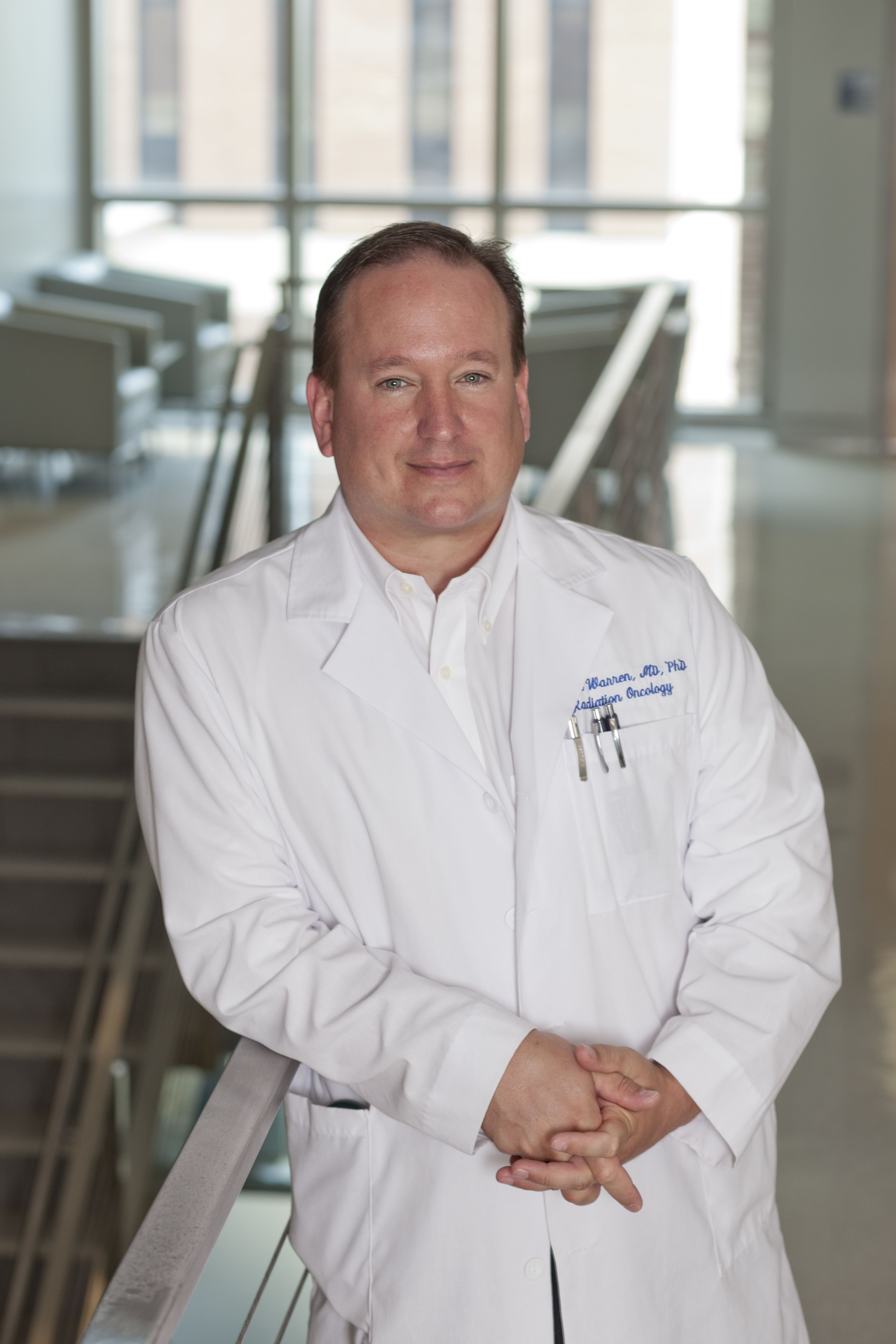
Graham Warren, M.D., Ph.D.
Vice Chair for Research
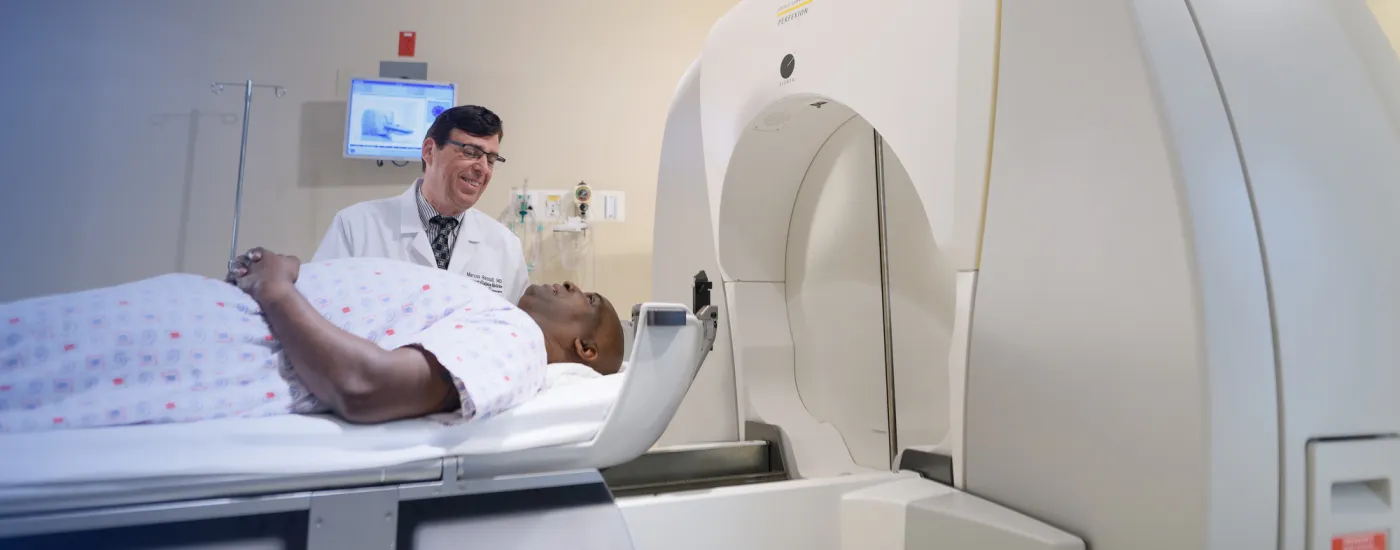
Clinical Research
Our investigators develop and evaluate approaches to improve cancer treatment, patient outcomes, survivorship and the patient experience.
Basic and Translational Research
Researchers study the biological mechanisms that influence treatment response and translate laboratory discoveries into new approaches to cancer care.
Medical Physics Research
Medical physics research advances treatment planning, imaging, quality assurance and radiation delivery to make cancer treatment more precise, safe and efficient.
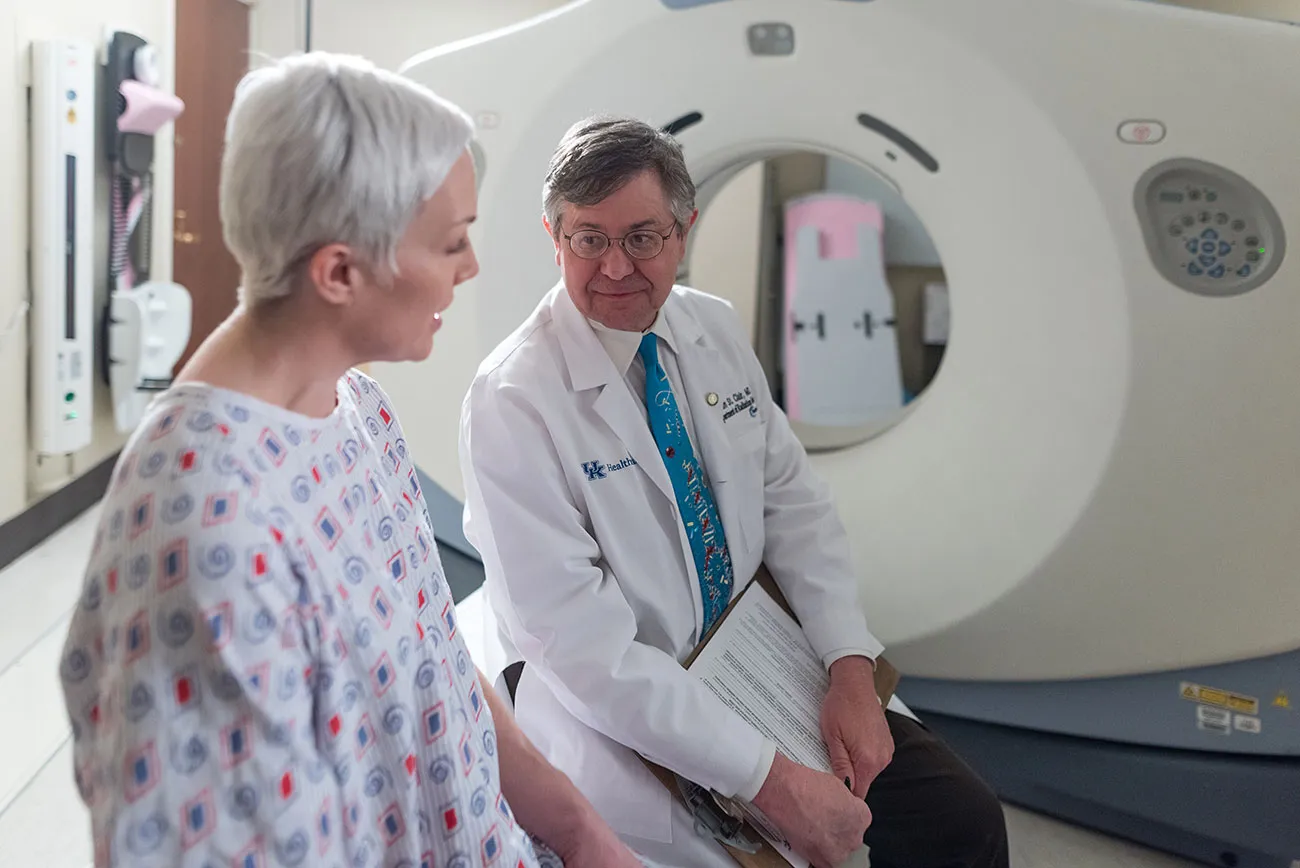
Research in the Department of Radiation Medicine brings together physicians, medical physicists, scientists, residents, students and staff to address complex questions in cancer treatment and care.
Through collaboration within the University of Kentucky and with partners across Kentucky and beyond, our researchers work to translate discoveries into better approaches to treatment and survivorship.