Current Research Day

Event Information:
September 18, 2026
Gatton Student Center
160 Avenue of Champions
Lexington, KY 40508
Gill Award for Outstanding Cardiovascular Research
Alan Remaley, MD, PhD
Alan T. Remaley, MD, PhD, is the section chief of the Lipoprotein Metabolism Laboratory in the Translational Vascular Medicine Branch of the National Heart, Lung, and Blood Institute (NHLBI) in Bethesda, MD. He is also a senior staff member of the department of laboratory medicine at the National Institutes of Health Clinical Center.
Dr. Remaley received his BS in Biochemistry and Chemistry from the University of Pittsburgh in 1981. He received in 1987 an MD and PhD (Biochemistry) degree from the University of Pittsburgh and, in 1990, completed a residency in Clinical Pathology at the University of Pennsylvania. He did a post-doctoral fellowship with Dr. Bryan Brewer at NHLBI from 1990-1995.
He has been the recipient of many awards for his research and has published over 500 papers in the field of lipoprotein metabolism and cardiovascular disease. He is an inventor on multiple patents related to new therapeutic agents and diagnostic tests for cardiovascular disease. He has made important contributions to the field of High-density lipoprotein metabolism, particularly related to the mechanism of cholesterol efflux by the ABCA1 transporter and has developed apoA-I mimetic peptides and recombinant Lecithin:Cholesterol acyl transferase into therapies, which have been tested in early-stage clinical trials. More recently, he has expanded his research into low-density lipoproteins (LDL), the main driver of atherosclerosis and cardiovascular disease. He has developed an equation, which is widely used for estimating the cholesterol content of LDL, and described the first high-resolution structure of APOB100, the main protein constituent of LDL and the ligand for the removal of LDL from the circulation by its receptor.
Special Guest Speaker
Andrew Plump, MD, PhD
Andrew Plump, MD, PhD, is the president of Research and Development at Takeda and serves as a member of the company’s board of directors. His career spans nearly 30 years in the pharmaceutical industry and academia.
Dr. Plump has been recognized for his contributions to the health care industry, education, and the arts. He serves on several not-for-profit boards, including the Board of Trustees for the Boston Symphony Orchestra, the Sarnoff Cardiovascular Research Foundation, the Biomedical Science Careers Program, and as Chairman of the Board of Directors for the PhRMA Foundation.
Prior to Takeda, Dr. Plump served as head of Research and Translational Medicine, deputy to the president of R&D at Sanofi, based in Paris, France. Prior to Sanofi, Dr. Plump served as worldwide cardiovascular research head at Merck.
Dr. Plump received his MD from the University of California, San Francisco (UCSF), his PhD in cardiovascular genetics, and his BS from the Massachusetts Institute of Technology (MIT). He completed a residency in internal medicine and a fellowship in medical genetics at UCSF.
Alumni Speaker
Phillip Owens, PhD
Dr. Owens is currently an associate professor at the University of Cincinnati. The primary focus of Dr. Owens's research is to examine the effects of coagulation proteins, proteases, and receptors in the pathogenesis of cardiovascular disease (CVD), specifically atherosclerosis and abdominal aortic aneurysms (AAAs). We utilize genetically modified mice and mouse models of disease to generate data and attempt to verify these results in the human condition, when possible, with retrospective clinical data or human specimens.
Assistant Professor Showcase
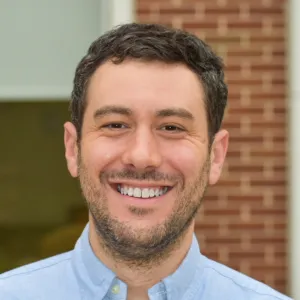
Diego Lucero, PhD
The Lucero lab aims to identify new regulators of lipoprotein metabolism and understand their role in modulating lipid levels in blood, with the goal of improving the diagnosis of inherited lipid disorders and uncovering new drug targets to help prevent heart disease.
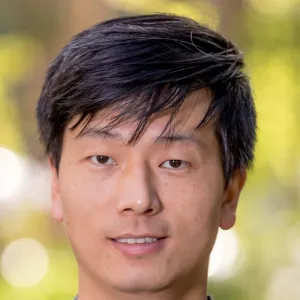
Xu Xiao, PhD
Lipids provide the structural framework of membranes that enclose the cell and its organelles. Precise temporal movement and spatial localization of lipids are essential for maintaining organelle homeostasis and overall organism health. My research focuses on identifying novel intracellular lipid transport pathways, understanding their cellular functions, and developing strategies to modulate intracellular lipid homeostasis for disease prevention and treatment.
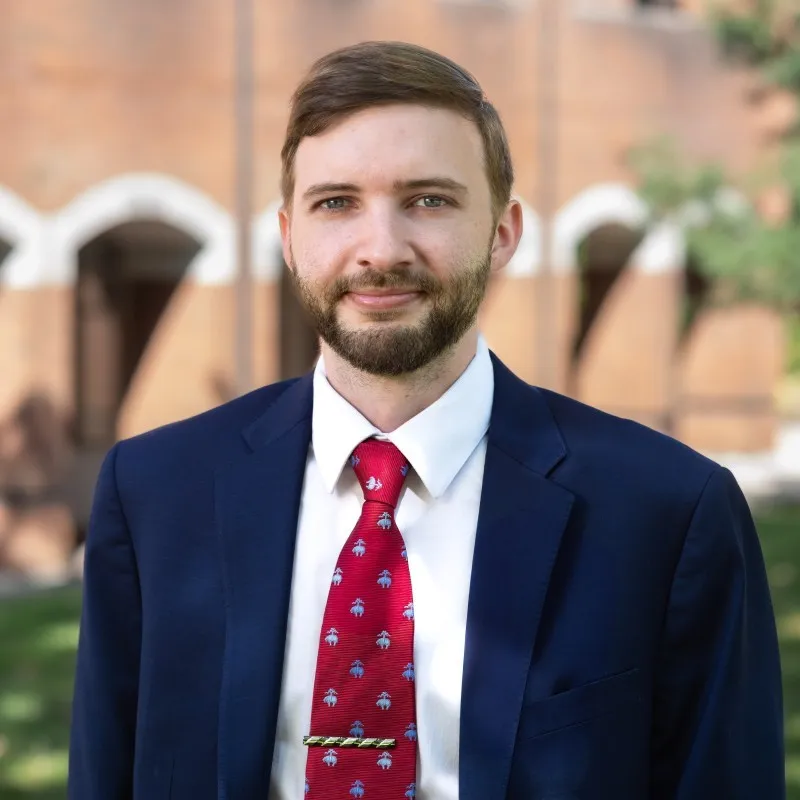
Brooks Lane, PhD
The interplay between mechanical forces or cues and biological responses in blood vessels is essential for maintaining healthy structure and function yet also can serve as a potent driver behind poor clinical outcomes for a wide range of vessel pathologies and interventions. The research in my lab is aimed at integrating biomechanics and mechanobiology using experimental and in vivo models to develop new therapies or devices related to aortopathies, aortic aneurysms, atherosclerosis, and endovascular interventions.
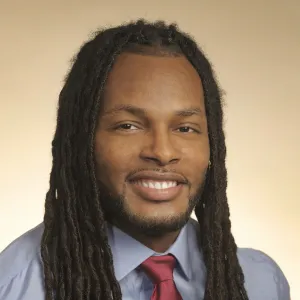
Cheavar Blair, PhD
The Blair Lab investigates genetic mutations and circadian rhythms, utilizing stem cell models to understand how 1) genetic mutations change the size and function of the heart and 2) how disruption to our sleep cycles leads to abnormal heart function.
Trainee Opportunities
Lighting Talks
All trainees can present concise, high-impact overviews of their research with one static slide in two minutes or less. These lightning talks highlight the central question, approach, and significance of each project, offering a fast-paced introduction to the breadth of trainee research across the program.
An abstract and prior registration is required.
Lighting Talks
All trainees can present concise, high-impact overviews of their research with one static slide in two minutes or less. These lightning talks highlight the central question, approach, and significance of each project, offering a fast-paced introduction to the breadth of trainee research across the program.
An abstract and prior registration is required.
Trainee Presentations
Selected abstracts (6), submitted by trainees and staff, will be presented in 7-minute oral presentations followed by Q&A from attendees.
Selected from abstracts submitted by July 31.
Trainee Presentations
Selected abstracts (6), submitted by trainees and staff, will be presented in 7-minute oral presentations followed by Q&A from attendees.
Selected from abstracts submitted by July 31.
Poster Presentations
Staff and trainees will present their work in a judged poster session. Cash prizes are awarded for the best presentations by staff, postdocs, graduate students, and undergraduates.
Posters are judged in 10-minute timed sessions. Presenters should budget five minutes to present their poster with five minutes for the judge's questions. All attendees are assigned a poster to judge, so presenters should be prepared to present their work succinctly and to a broad audience. After the judged sessions, presenters will remain at their posters for the general poster session.
Poster size is recommended at 36in x 48in landscape format.
All abstracts are eligible. Prior registration is required.
Poster Presentations
Staff and trainees will present their work in a judged poster session. Cash prizes are awarded for the best presentations by staff, postdocs, graduate students, and undergraduates.
Posters are judged in 10-minute timed sessions. Presenters should budget five minutes to present their poster with five minutes for the judge's questions. All attendees are assigned a poster to judge, so presenters should be prepared to present their work succinctly and to a broad audience. After the judged sessions, presenters will remain at their posters for the general poster session.
Poster size is recommended at 36in x 48in landscape format.
All abstracts are eligible. Prior registration is required.
Abstract Requirements
Abstracts should begin with a title followed by authors and their affiliations. The presenting author should be listed first. A succinct description of the research project should follow, concluding with an acknowledgment of the project's funding source. The entire abstract must be in at least 11-point font and fit on one PDF page.
Abstract Requirements
Abstracts should begin with a title followed by authors and their affiliations. The presenting author should be listed first. A succinct description of the research project should follow, concluding with an acknowledgment of the project's funding source. The entire abstract must be in at least 11-point font and fit on one PDF page.
Event Sponsors