ASCEND Scholars
ASCEND Scholars
ASCEND Scholars
2026 ASCEND Scholars

Lynden Bond, PhD, MSW
Assistant Professor, College of Social Work
Lynden Bond (she/her), PhD, MSW is an assistant professor at the University of Kentucky College of Social Work. She is a social work researcher focusing on addressing homelessness and improving access to behavioral health care among people experiencing homelessness and housing insecurity. Informed through her professional social work practice and advocacy experience, Dr. Bond’s research agenda aims to partner with communities in pursuit of improving housing and behavioral health outcomes. Dr. Bond holds a PhD and MSW from the New York University Silver School of Social Work. Prior to joining the faculty at the College of Social Work, she was a Senior Research Associate at the Urban Institute, where she conducted community-engaged, policy-relevant research on homelessness response systems.
Research Focus:
Dr. Bond’s ASCEND pilot project will use a community-engaged, convergent mixed methods approach to collect preliminary data on the use homeless outreach programs to increase access to behavioral health care. Community-centered approaches will be incorporated across research activities, including partnering with community agencies, hiring community researchers, and returning data and findings to the community at multiple timepoints.
Delvon T. Mattingly, PhD
Assistant Professor, College of Medicine, Behavioral Science
Dr. Mattingly is an assistant professor in the UK College of Medicine Department of Behavioral Science and a primary faculty member of the Center for Health, Engagement, and Transformation. He is also a member of the Markey Cancer Center’s Cancer Prevention and Control Program and Co-Lead of the Career Enhancement Core for the Appalachian Tobacco Regulatory Science Team, a Tobacco Center of Regulatory Science (AppalTRUST, TCORS 3.0).
A social epidemiologist, Dr. Mattingly’s research centers on four priority areas: (1) social and structural determinants of behavioral health disparities; (2) tobacco prevention, control, and regulatory science; (3) substance use epidemiology; and (4) cancer prevention, control, and survivorship as they relate to substance use. His work investigates how psychosocial, policy, and structural determinants of health shape patterns of substance use and addiction, cancer-related outcomes, and associated health disparities. He completed most of his research training through two NIH/FDA-funded TCORS: The American Heart Association Tobacco Regulation and Addiction Center (A-TRAC, TCORS 1.0) and the University of Michigan/Georgetown University Center for the Assessment of Tobacco Regulations (CAsToR, TCORS 2.0).
Research Focus:
Dr. Mattingly’s project aims to examine receptivity to harm-reduction substance use interventions among college students with a history of polysubstance use at the University of Kentucky. Using an exploratory mixed-methods approach, the study combines student interviews, surveys, and a young adult advisory board to collaboratively develop a SBIRT-informed intervention. Findings will generate pilot data to inform future extramural grant applications aimed at developing multi-campus substance use interventions for college students.
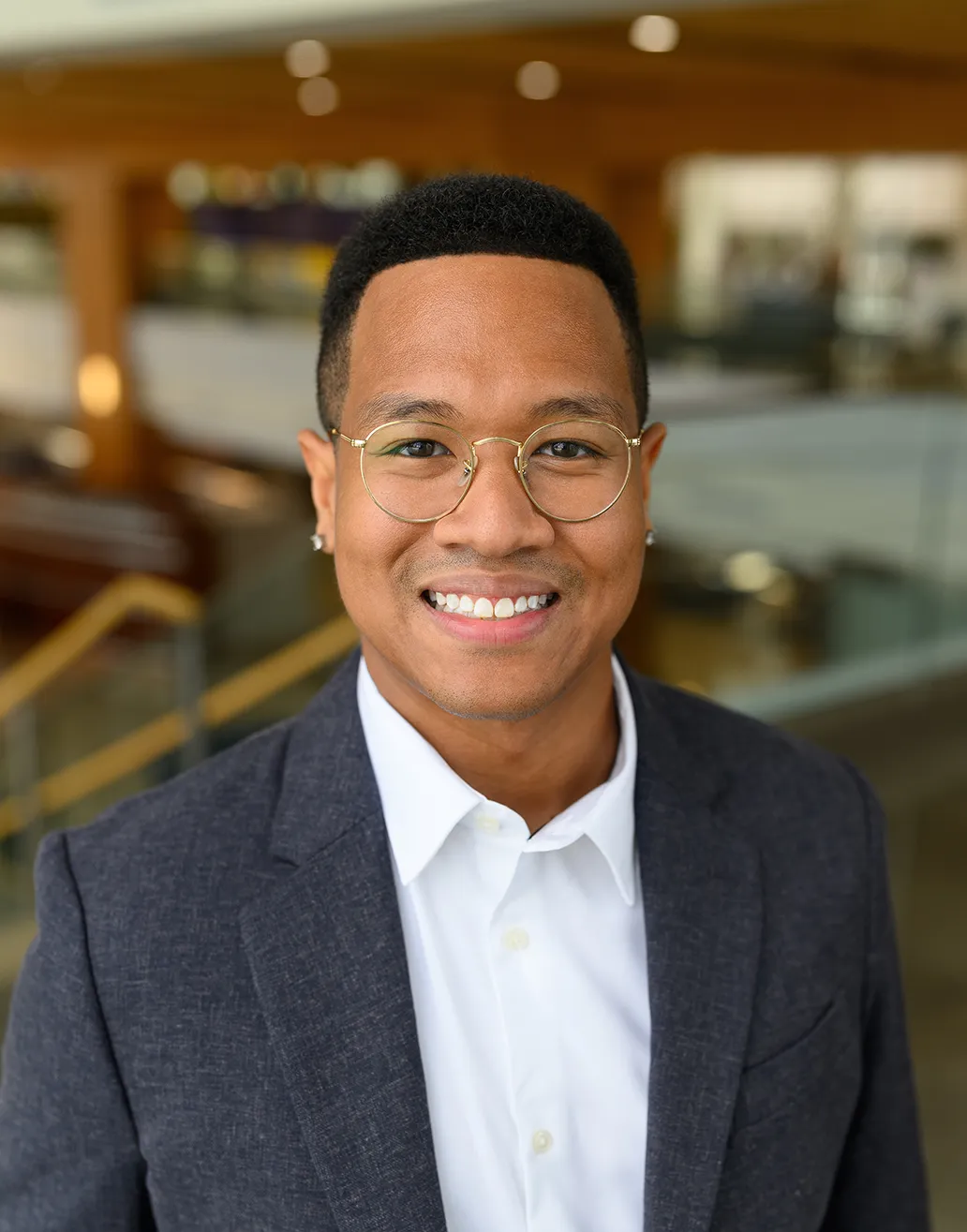

Willie F. McBride III, PhD
Assistant Professor, college of Medicine, Neurology
Dr. McBride is a clinical neuropsychologist within the UK College of Medicine Department of Neurology. He evaluates patients who have neurological and psychiatric disorders. He focuses his clinical, scholarly, and service work on leveraging neuropsychological assessment services and resources within medically underserved communities, particularly older adults within the UK Sanders-Brown Center on Aging. These interests broadly include Alzheimer’s disease and related dementia health literacy, promotion of cognitive healthcare resources and brain health, and community outreach. He earned his PhD in clinical psychology from the Virginia Consortium Program in Clinical Psychology and completed his doctoral internship at the Vanderbilt/VA Internship Consortium. He completed a postdoctoral fellowship in health service psychology at the Tennessee Valley Healthcare System and then went on to complete his neuropsychology fellowship at the University of Virginia Health System. Dr. McBride is currently a Geriatric Academic Career Awardee through the Health Resources and Services Administration.
Research Focus:
Dr. McBride’s project aims to examine older adults’ knowledge of dementia and neuropsychology services using community education sessions. With these community talks, their knowledge of dementia and neuropsychology services is expected to increase. It is hypothesized that increased health literacy will serve to promote brain health.
Ketrell L. McWhorter, PhD, MBA, ACE-CPT, ACE-FNS
Assistant Professor, College of Public Health, Epidemiology and Environmental Health
Dr. Ketrell L. McWhorter is an assistant professor of epidemiology and environmental health at the University of Kentucky College of Public Health. She is an early-career epidemiologist whose research focuses on sleep health, tobacco exposure, pain, inflammation, and later-life cardiometabolic outcomes among individuals with pancreatic disease, particularly chronic pancreatitis and recurrent acute pancreatitis. Her work emphasizes health disparities, with a specific focus on populations that are disproportionately burdened by chronic disease, including resource-limited communities.
Dr. McWhorter’s research leverages large cohort datasets and patient-reported outcomes to identify modifiable risk factors and inform targeted, non-pharmacologic interventions. She is actively involved in interdisciplinary and community-engaged research efforts and is a contributing investigator within national consortia studying pancreatic disease outcomes. Through her work, she aims to integrate sleep health into cardiovascular risk assessment and chronic disease management, ultimately advancing equitable prevention and intervention strategies. Dr. McWhorter is committed to mentoring students and building sustainable, community-centered research partnerships that translate scientific findings into meaningful public health impact.
Research Focus:
Dr. McWhorter's pilot project examines the intersection of sleep quality, tobacco exposure, and cardiovascular health among individuals with chronic pancreatitis using data from a large, well-characterized cohort. Guided by Life’s Essential 8 and patient-reported sleep measures, the study evaluates disparities in cardiovascular risk, with a particular focus on African American patients. Findings will inform the development of sleep-targeted, equity-focused interventions central to Dr. McWhorter’s K01 research program.

2025 ASCEND Scholars

Radmila Choate, PhD, MPH
Assistant Research Professor, Epidemiology and Environmental Health, College of Public Health
Dr. Radmila Choate is an assistant research professor in the department of epidemiology and environmental health at the University of Kentucky College of Public Health. She earned a PhD in Epidemiology and Biostatistics and an MPH in Epidemiology from the University of Kentucky, as well as an MD-equivalent degree from Tbilisi State Medical University in Georgia.
Her research focuses on the epidemiology of chronic conditions, including chronic obstructive pulmonary disease (COPD), particularly alpha-1 antitrypsin deficiency-associated COPD, as well as bronchiectasis, chronic pancreatitis, cognitive impairment, and multimorbidity. Dr. Choate’s work examines health-related quality of life and disease burden in older adults with chronic conditions. Her current research explores the impact of multimorbidity and financial burden on health outcomes in individuals with chronic diseases.
Dr. Choate is a long-standing collaborator with AlphaNet, COPD Foundation, and the US Bronchiectasis and NTM Research Registry. A strong advocate for interdisciplinary research, she collaborates closely with colleagues in internal medicine and the Sanders-Brown Center on Aging. Dr. Choate has an extensive publication record in peer-reviewed journals and has presented her work at numerous national and international conferences.
Research Focus:
Financial toxicity associated with treatment of chronic conditions, such as chronic pancreatitis; patient- and disease-related determinants of financial burden and health outcomes; patient- and community-engaged research.
Darlingtina K. Esiaka, PhD, CPG, CPH
Assistant Professor, Behavioral Science, College of Medicine
Darlingtina Esiaka, PhD, CPG, CPH, is an assistant professor at the Center for Health, Engagement and Transformation, and the department of behavioral science. She is also affiliated with the Sanders-Brown Center on Aging and the Markey Cancer Center. Her research interests revolve around two major themes. One focuses on the early detection of Alzheimer's disease and related dementias (ADRD) in the aging Black population. She examines how to detect progression and conversion to ADRD, long before the presentation of behavioral symptoms. The second focuses on the early detection of cancer in the older Black population. She investigates psychosocial factors that predict fatal-stage cancer diagnosis and survivorship. She has received over 20 awards and recognitions, including the Emily Taylor Center for Women & Gender Equity – Kathleen McCluskey-Fawcett Woman Mentoring Women award and the Gerontological Society of America's Career Development and Junior Investigator Diversity Fellow Award. Her work has been supported by federal and private funders such as NIA, the New Jersey Health Foundation, and Alzheimer’s Association. Dr. Esiaka is currently a BRAINS Affiliate, Carnegie Diaspora Fellowship Program Scholar, and the founder of Black in Gerontology and Geriatrics Network. She is a certified Public Health professional and credentialed by the National Association of Professional Gerontologists. She is affiliated with several professional organizations, including the Society for Psychological Study of Social Issues, where she co-chairs the internationalization committee.
Research focus
Understanding how chronic stress, social instability, and limited access to resources contribute to heightened vulnerability to Alzheimer’s disease and related dementias (ADRD) among high-risk adults.

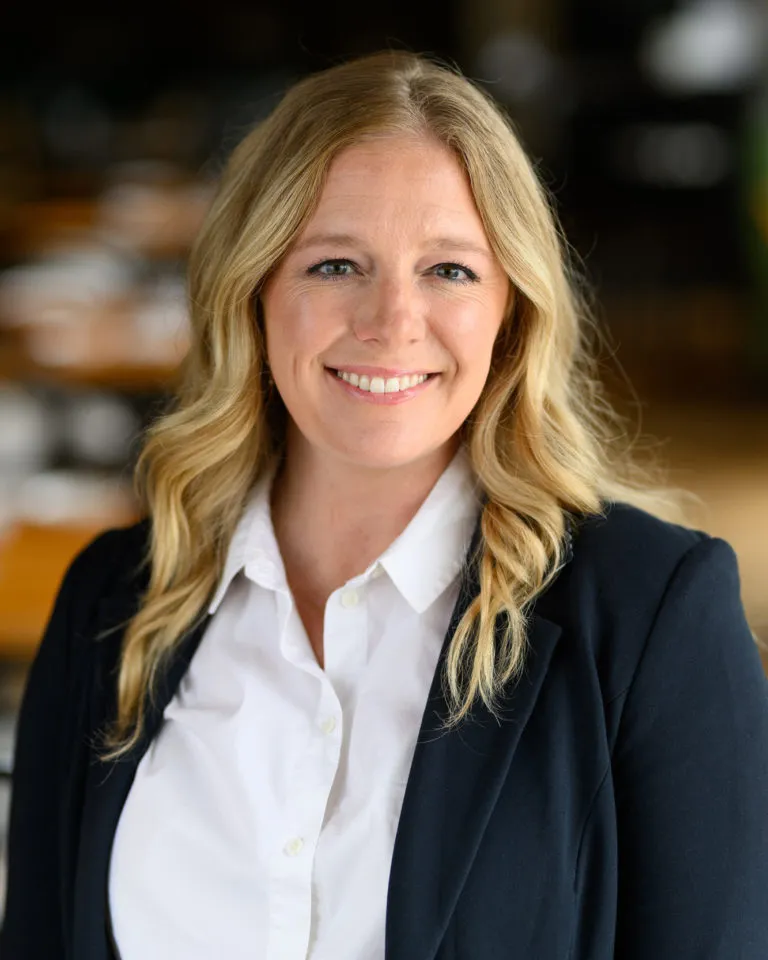
Abigail Latimer, PhD, MSW, LCSW, APHSW-C
Assistant Professor, College of Social Work
Abigail Latimer, PhD, MSW, LCSW, APHSW-C is an assistant professor in the University of Kentucky Colleges of Social Work and Medicine. She is a UK College of Social Work graduate and has post-doctoral training with the University of Kentucky College of Nursing on research interventions for cardiovascular health. Dr. Latimer specializes in adapting and implementing serious illness communication interventions, with a focus on older adults with heart failure and those who are unhoused or housing vulnerable. Dr. Latimer has 15 years of clinical experience, with the majority in hospice and palliative care, and includes counseling for adults with severe opioid use disorder.
Research Focus:
Adapting the Serious Illness Care Program (SICP) for delivery in temporary shelters for unhoused older adults, emphasizing cultural relevance, accessibility, and feasibility. The research aims to improve serious illness care for this population and inform broader applications in similar contexts.
Meagan Scott, PhD
Assistant Professor, College of Education
Dr. Scott received her PhD in School Psychology from the University of Cincinnati in 2023. She completed her predoctoral internship at the Nebraska Internship Consortium of Professional Psychology at Munroe Meyer Institute with a focus on comprehensive school-based mental health services. Dr. Scott also is a board-certified behavior analyst (BCBA). Her primary research interests include culturally responsive SEL and behavioral interventions for minoritized youth in school settings.
Research Focus:
Examining adolescents’ experiences within the school systems, and how their experiences and the quality of current school-based services effect their mental and behavioral health; Using Youth Participatory Action Research (YPAR) approaches to give youth agency to develop and explore their own research questions related to their own experiences to advance intentional and meaningful changes in their communities; Utilizing creative methodologies, such as photovoice, to develop and share themes based in the adolescents’ communities.