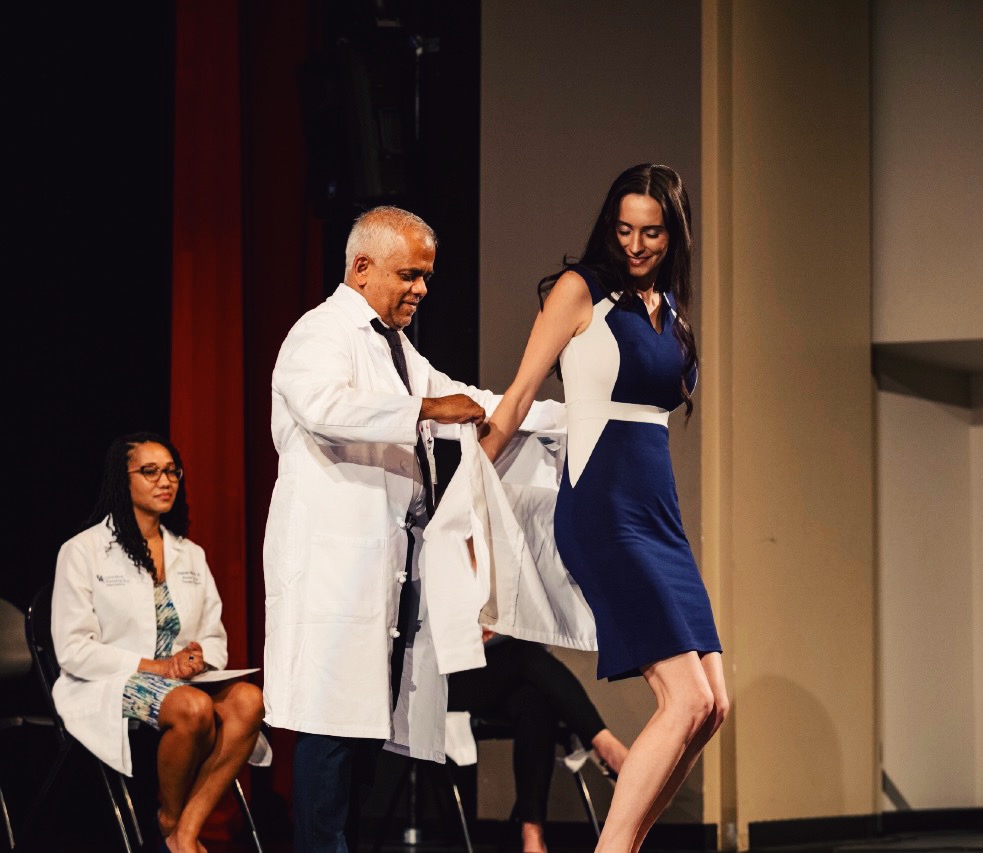
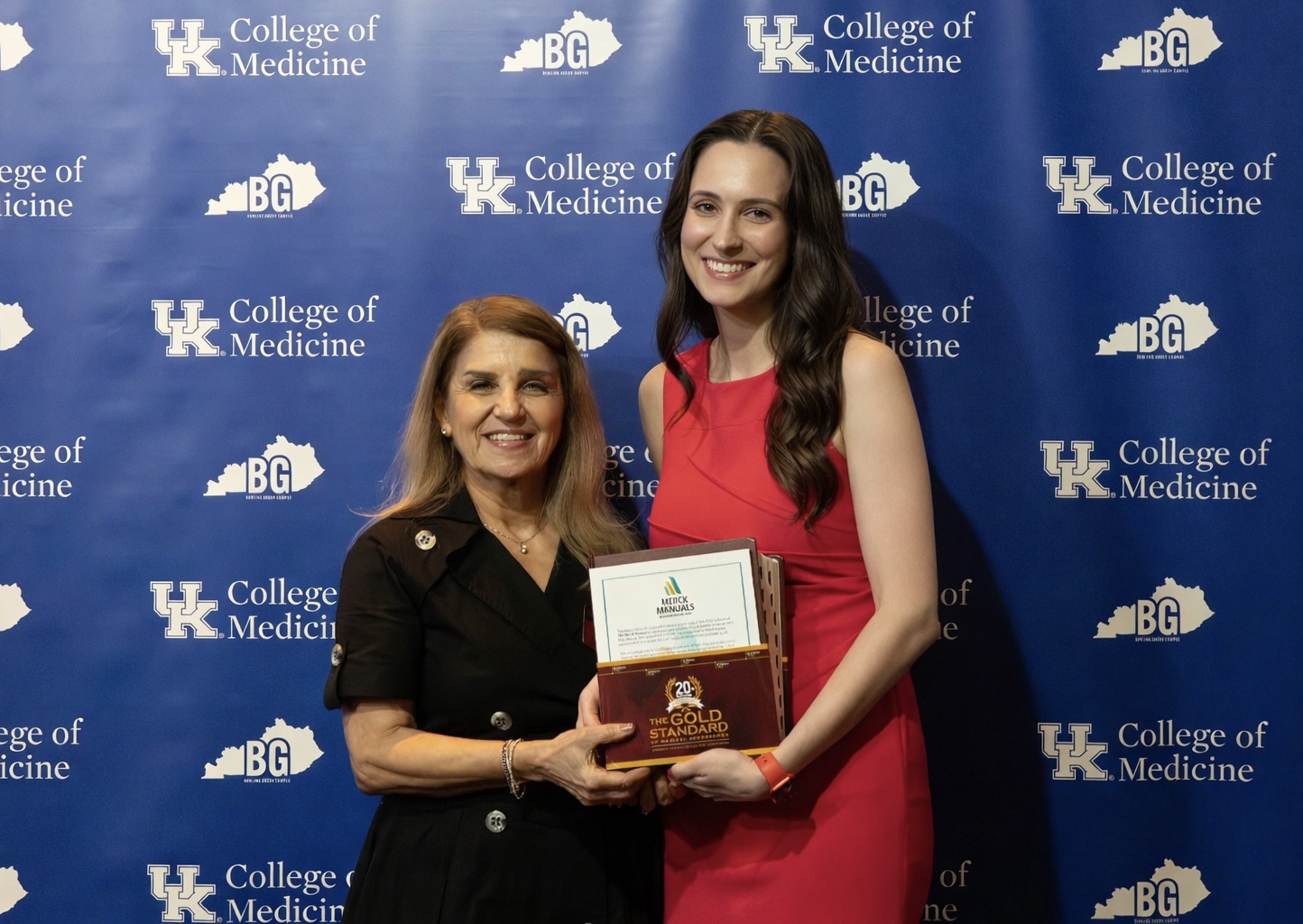
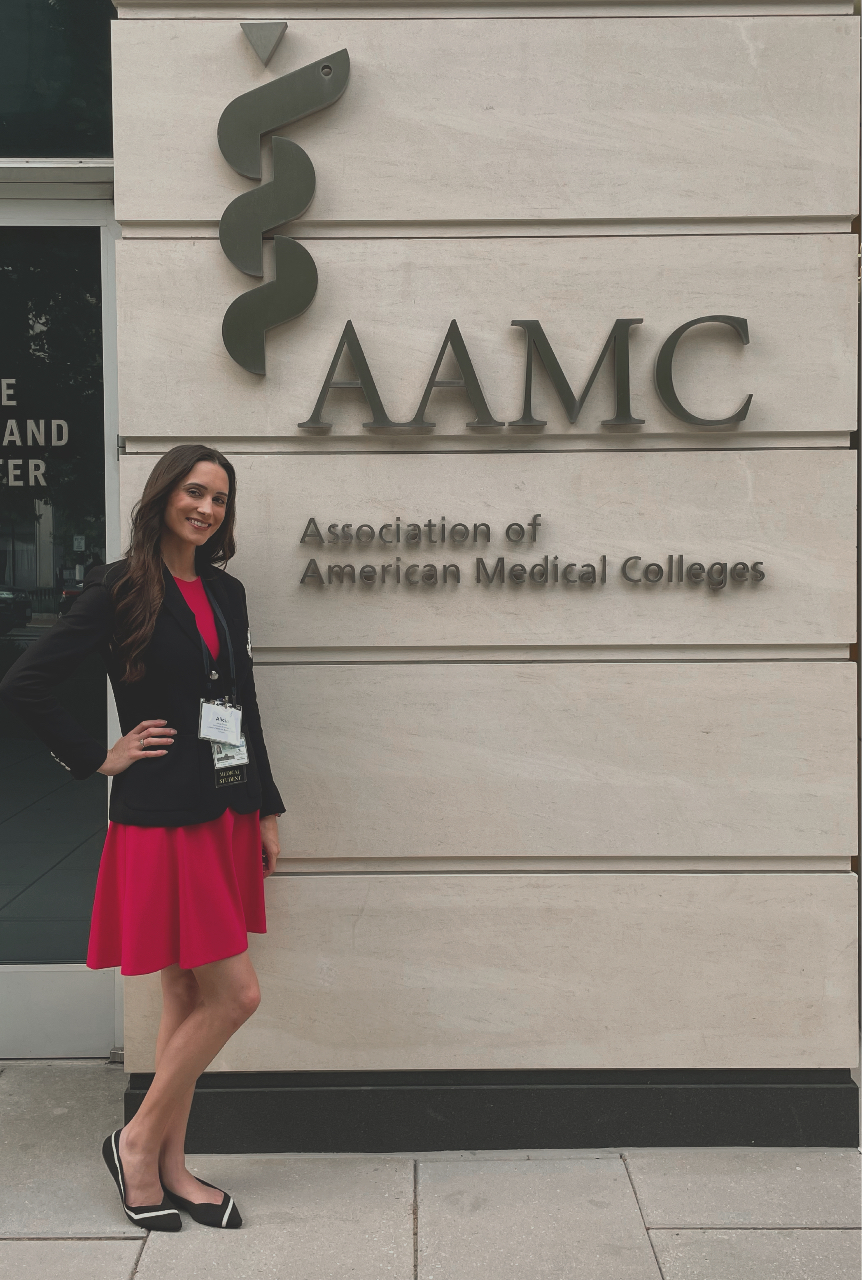
As a medical student at the University of Kentucky College of Medicine–Bowling Green Campus, Alicia Fields developed an early interest in skin health. Over the last four years, she has helped expand how it is understood, taught, and advocated for in her local community and across the Commonwealth.
As a second-year medical student, Fields helped establish a local chapter of Sun Protection Outreach Teaching by Students (SPOTS), a program focused on sun protection and skin cancer prevention. She and her peers partnered with Warren County Public Schools to bring fun, informative lessons on sun safety into elementary classrooms throughout the school year.
“What made this experience especially meaningful was knowing that we were helping instill healthy habits at a young age,” she said. “Early education on sun protection can play a significant role in reducing the risk of skin cancer later in life.”
That commitment to prevention and access continued to grow. In 2024, Fields played a key role in launching Kentucky’s first Dermatology Trainee Advocacy Day (DTAD), an effort focused on improving access to dermatologic care and advancing policy at the state level.
In its second year, Governor Andy Beshear issued an official proclamation recognizing June 16, 2025, as Dermatology Trainee Advocacy Day, highlighting the role of trainees in shaping the future of dermatologic care.
“Having grown up in a rural community, I’ve seen firsthand how limited access to specialty care can be,” Fields said. “Patients in rural areas deserve the same high-quality care as those in larger metropolitan settings.”
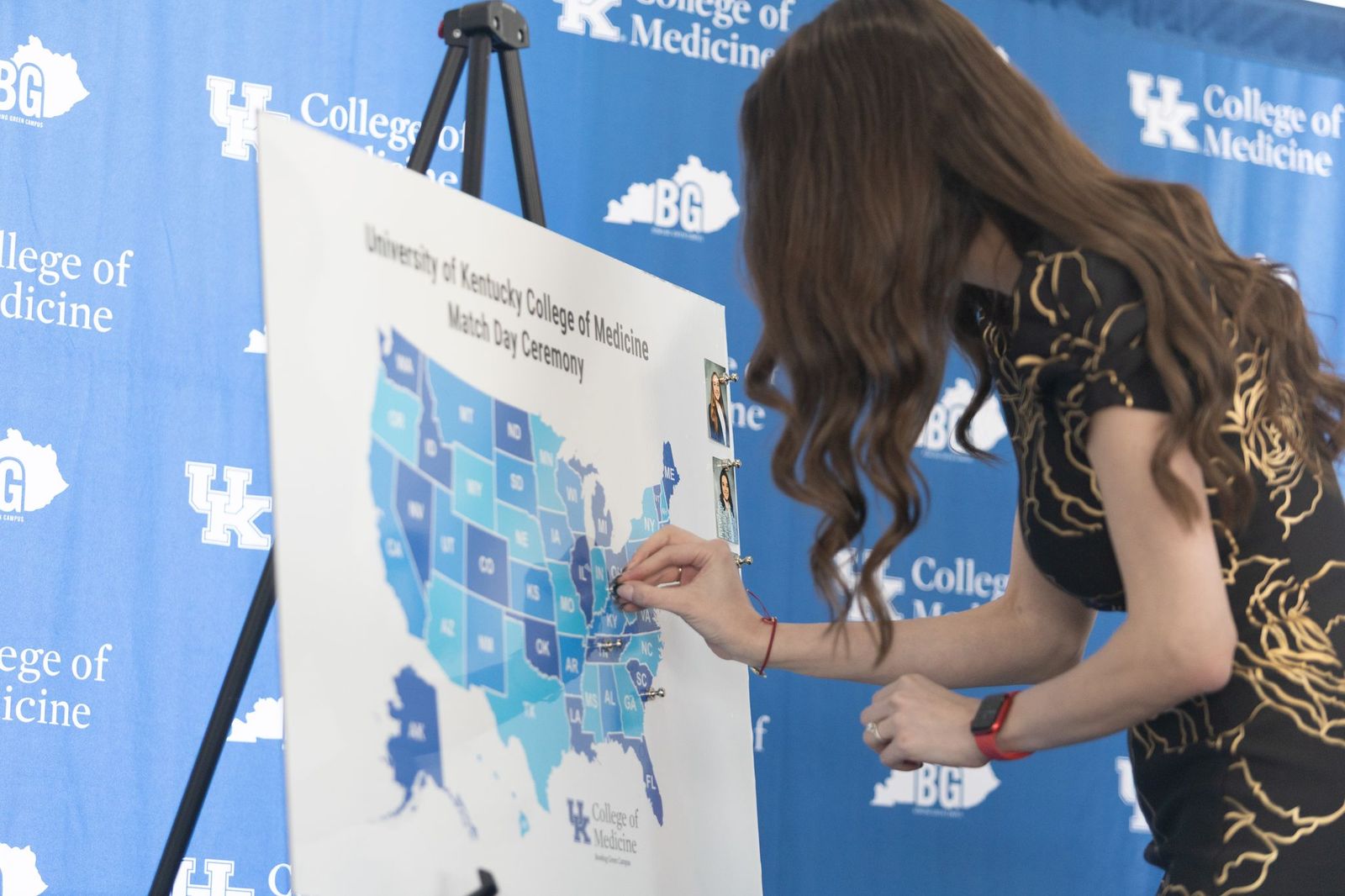
As she prepares to graduate and begin residency in dermatology at the University of Cincinnati Medical Center, she is drawn to both the precision and the growing impact of the field.
“Skin conditions affect not only physical health but also self-esteem and overall quality of life,” she said. “I’m genuinely looking forward to developing that diagnostic skill and pattern recognition that makes the field so rewarding.”
Shaped by experience
Fields’ path to medicine — and ultimately dermatology — was not linear.
She originally pursued nursing before realizing she wanted greater insight into the “why” behind patient care.
“I wanted a deeper understanding of pathophysiology,” she said. “That’s what sparked my interest in medical education.”
Her interest in health care, however, started much earlier. “Growing up, I was always ‘treating’ my stuffed animals and dolls,” she said.
Early curiosity continued to grow through lived experience. After several hospitalizations throughout childhood, Fields began to picture the future impact she hoped to have.
“I saw how kind and intelligent my caregivers were,” she said. “I just thought, how wonderful it would be to have a career of making people feel better.”
That perspective followed her to the UK College of Medicine, where she found the kind of learning environment she had been looking for.
“Coming from a small community, I valued the idea of a close-knit learning environment,” Fields said. “The smaller class size at the regional campus allowed for more personalized mentorship and support.”
The UK College of Medicine established its Bowling Green and Northern Kentucky campuses, as well as the Rural Physician Leadership Program in Morehead, to expand access to medical education across the state. While students train in different communities, all four campuses follow the same curriculum, ensuring a consistent learning experience. The model also strives to address ongoing physician shortages by training students in the regions where care is most needed.
Growth beyond the classroom
Ahead of graduation, Fields reflected on her medical school experience and the unexpected ways it challenged her.
“My time as a medical student shaped me in ways that go beyond mastering clinical knowledge,” she said. “Academically, I was pushed further than I had been in any prior experience.”
During her third year, a series of unexpected life events tested her resilience. “Balancing the demands of medical school alongside real-life challenges seemed too much at times, but I kept showing up,” she said. Through those experiences, she developed important skills that extended beyond her clinical training.
“I learned how to function in uncertainty, how to ask for help when needed, and how to extend grace to myself and others,” she said. “I was fortunate to work with faculty, attendings, and residents who emphasized not just clinical excellence, but the human side of medicine.”
That grounding ultimately brought her back to the sentiment that first drew her to health care. “I hope I’m known as a caring physician who takes the extra time to explain, to reassure, and to make patients feel comfortable in their own skin,” she said. “Beyond treating disease, I want my patients to feel heard, respected, and supported throughout their care.”
Encouraging the next generation
Fields’ journey throughout medical school also carries deeper significance. She is a first-generation college and medical student who followed a nontraditional path. She hopes her story resonates with future students who may not yet see a clear direction forward.
“I doubted myself for a long time because I lacked confidence and mentorship,” she said. But that changed during her nursing career, when physician mentors encouraged her to follow her dream.
“They helped me see my potential when I doubted myself and encouraged me to pursue medicine,” she said. “Their belief in me changed the trajectory of my life.”
Fields is intentional about offering that same support to others now. “One of my goals has been to be who I needed when I was younger,” she said.
“I hope students realize they don’t need a perfect or linear path to get here. Challenges and delays don’t define your potential. If anything, they can strengthen it.”