When Duncan Campbell, MD ’75, arrived at the University of Kentucky College of Medicine, a career in rural health care was already familiar territory. He grew up in a small community in Todd County, Ky., where his father served as the town pharmacist.
“I only applied to two places for medical school: Vanderbilt and the University of Kentucky,” Dr. Campbell said. “They were both close to home, but I ultimately chose UK because my brother was already in medical school there, and being from Kentucky myself, it seemed like a great fit.”
Medical school quickly became more than an academic experience. With a class of just over 100 students, he remembers the environment as supportive and close-knit. During the first two years, most of the work was in the classroom, alongside training in physical examination and medical interviewing. Outside of class, students found time for intramural sports and campus activities together.
By his third year, Dr. Campbell said the pace shifted dramatically. Clinical responsibilities increased, and long hours on call became part of daily life. Those experiences also helped shape his future specialty.
“My third rotation was in pediatrics, and I really loved the house staff, the setup, and the general atmosphere,” he said. “That rotation shifted my focus from family medicine to pediatrics.”
After graduating in 1975, he completed his pediatrics residency at Vanderbilt University Medical Center from 1975 to 1978. He credits his training at UK with preparing him well for both residency and practice.
“I’d had more hands-on experience treating patients than many of the other pediatric residents,” he said. “I was probably a step ahead in my diagnostic and treatment abilities because of all I got to do at UK.”
“In my view, you couldn’t go to a better medical school than the University of Kentucky College of Medicine,” he said.
When his residency training ended, he returned to Kentucky and began what would become a 45-year career serving families in the Hopkinsville, Ky., region. He estimates that roughly half of his pediatric patients were covered by Medicaid, and recalls many who faced complex health challenges, often due to rural health disparities.
“I enjoyed taking care of everyone,” he said. “But I especially valued working with those families and being able to provide quality care.”
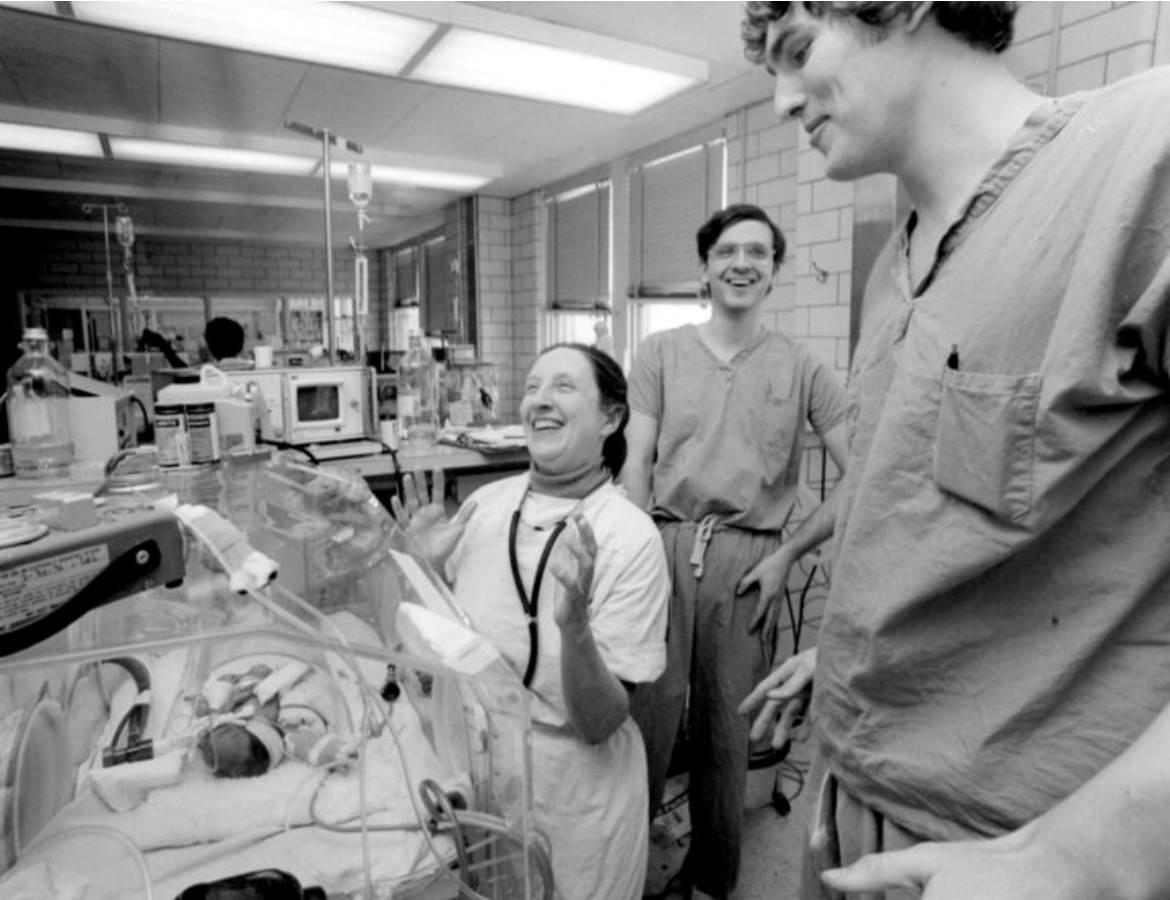
The work also allowed him to use the full scope of his training. For many years, he helped stabilize sick newborns locally before they were transferred to larger tertiary centers in Louisville, Ky., Nashville, Tenn., or elsewhere.
“That exposure to different levels of pathology was very rewarding,” he said. “It let me apply my training in a meaningful way.”
Over time, the children he once cared for returned with children — and sometimes grandchildren — of their own.
“I ended up seeing at least three generations of some families,” he said. “It felt like being part of their extended family.”
That continuity also allowed him to watch the community evolve over decades, while remaining a steady presence for families navigating both routine and complex health concerns.
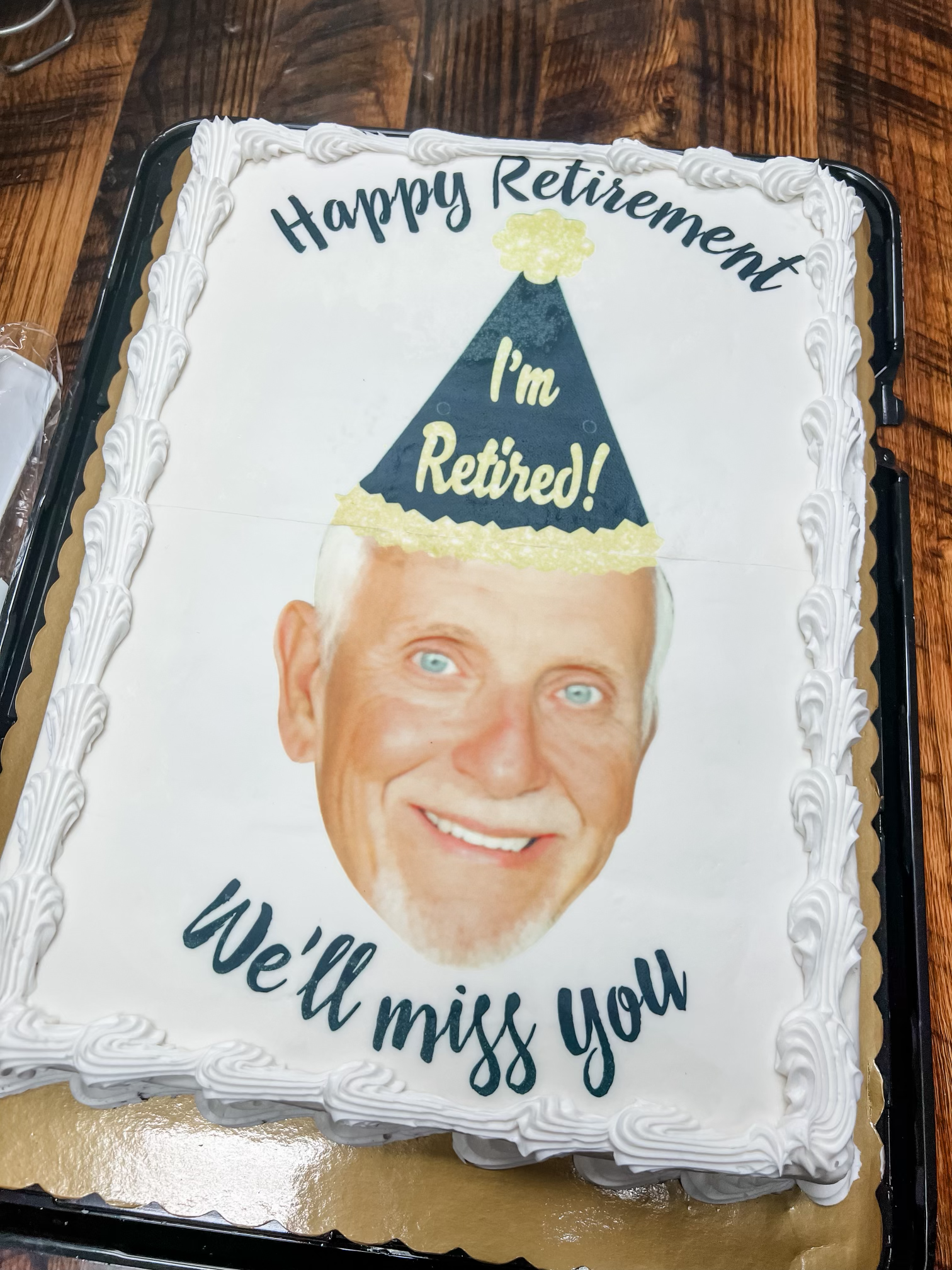
When he retired at age 74, the transition was bittersweet.
“I probably could have stopped practicing earlier, but I kept working because I enjoyed my patients and colleagues,” he said. “I do miss the people I worked with and the families I cared for.”
Looking back, the relationships he built stand out most.
“I’m most proud of the relationships I built with families over the years,” he said. “It meant a lot to me that they were sad to see me retire.”
Today, he encourages current medical students to consider building careers in Kentucky, particularly in rural communities where the need is most significant.
“The need here — especially in primary care and in rural areas — is tremendous,” said Dr. Campbell. “Helping people where you’re from is very rewarding.”
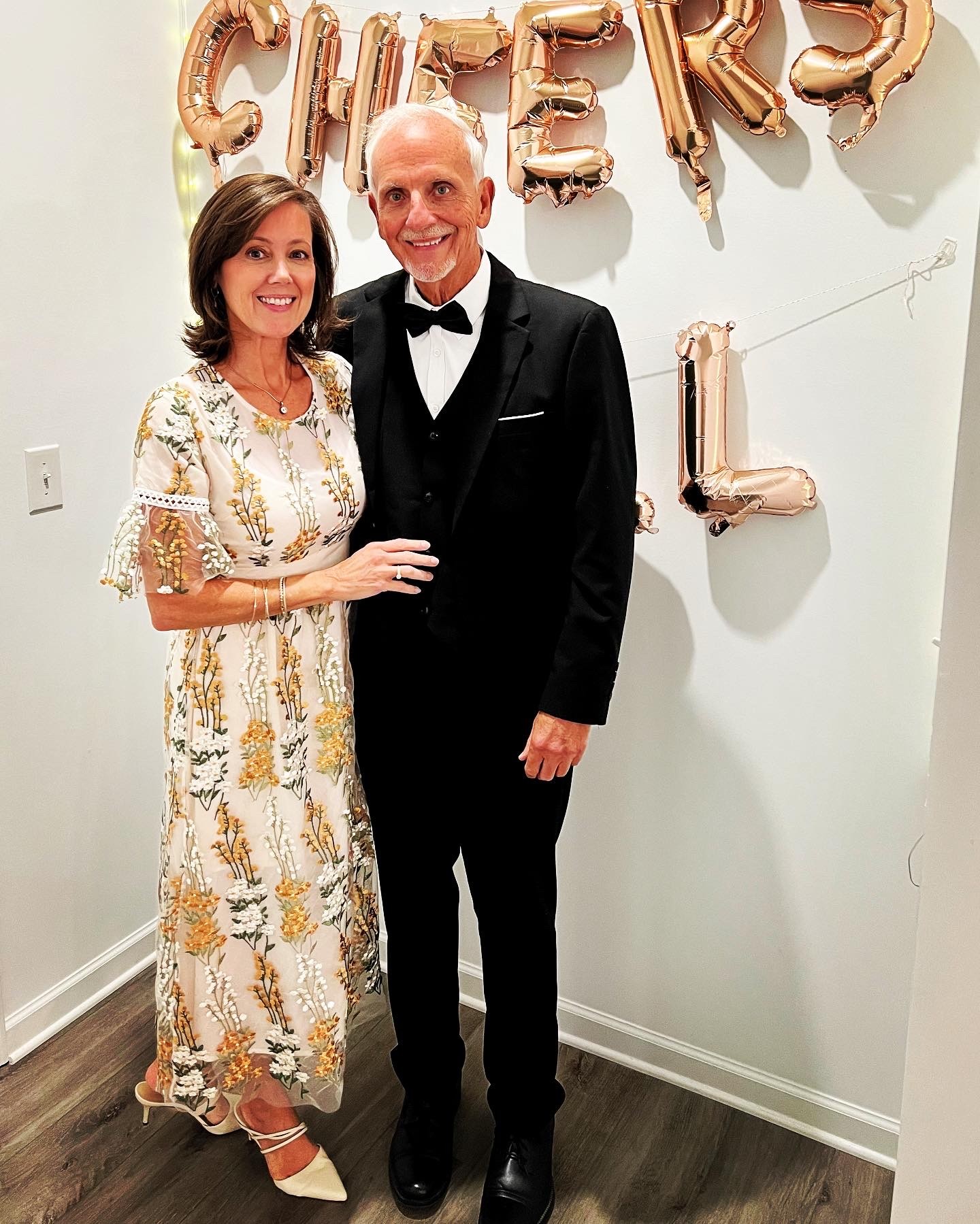
Retirement has brought a new rhythm, but not a slower one. He and his wife, Mindy, recently completed the Master Gardener program through UK’s Christian County Extension Office and volunteer their time locally. The Campbells also stay active by cycling, swimming, and traveling to visit family, including their four children, four grandchildren, and one great-grandchild.