Two University of Kentucky College of Medicine students have been recognized by Academic Medicine, one of the nation’s leading medical education journals from the American Association of Medical Colleges (AAMC). Their work is featured in the journal’s December issue, which was recently published online here.
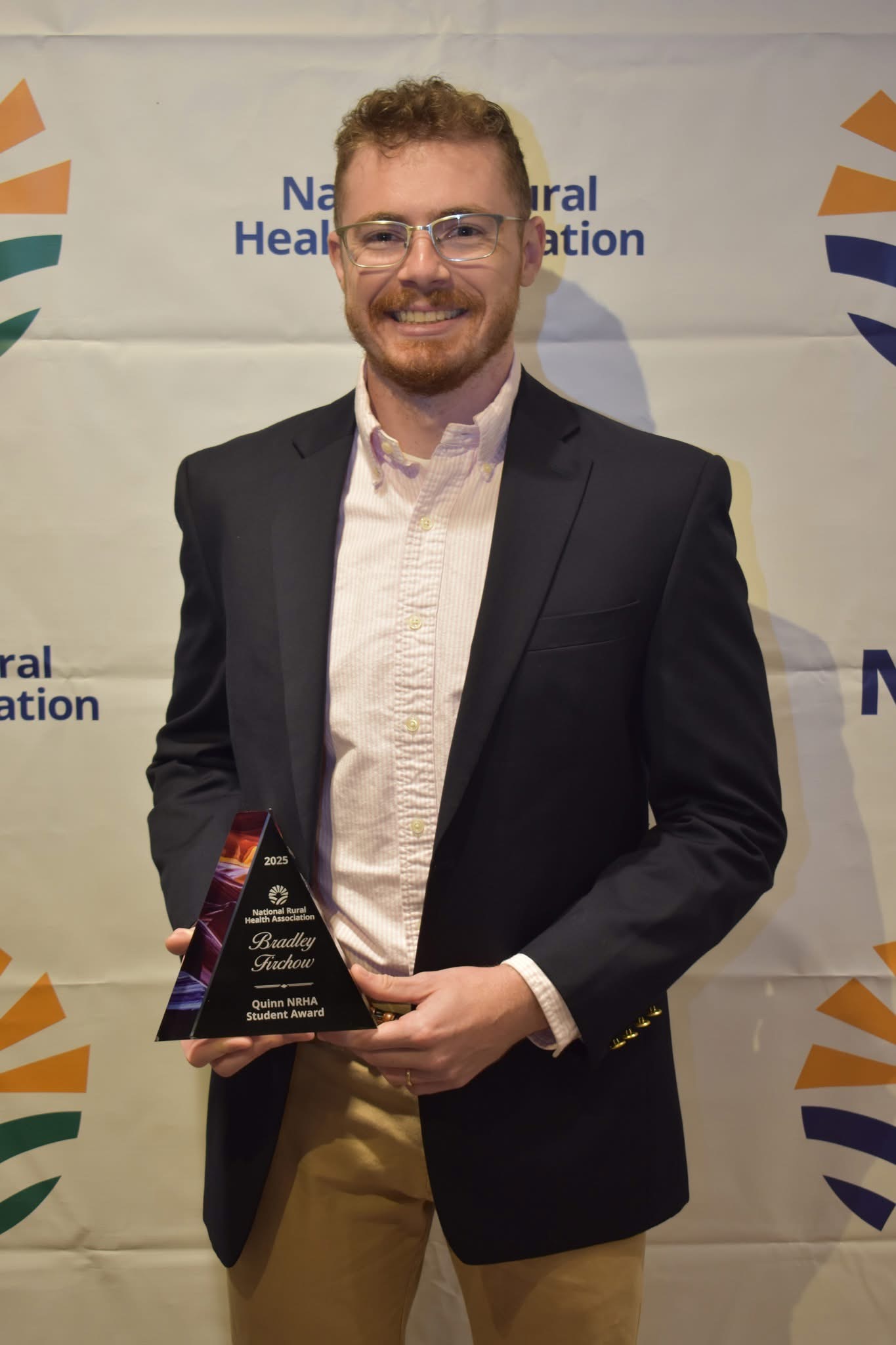
Bradley Firchow, a fourth-year medical student in the Rural Physician Leadership Program (RPLP) based in Morehead, Ky., authored “Still Life, ICU: The Art of Not Looking Away,” a letter to the editor that explores the humanity and complexity of end-of-life care.
The narrative, set in the intensive care unit, reflects on his encounter with an Appalachian family during a patient’s final moments and captures the quiet tension between clinical precision and human connection, offering a window into the emotional landscape of medical training.
In the essay, Firchow writes vividly about a patient and family he never expected to know so deeply — describing the “machinery of breath and blood,” the grief that “wrapped the room like a worn quilt,” and the choice to remain present in the face of loss. His reflection demonstrates how the practice of medicine extends beyond procedures and diagnoses; it is also an act of bearing witness, of choosing to stay when words and interventions have reached their limits.
“These experiences teach me how deeply Appalachian families love and how much quiet strength we hold,” Firchow said. “Our work here means refusing the flattened stories about this region and practicing a medicine that honors our people in all their human complexity.”
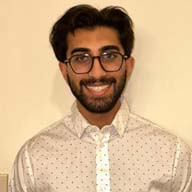
Anas Gondal, a second-year medical student in Lexington, was also recognized in the same issue with an honorable mention for his letter, “I See Divinity in the Future of Vision.” His reflection offers a meditation on vision as a metaphor for humanity and understanding, urging future physicians to see the inherent dignity in every patient encounter.
“The incredible empathy in their writing jumps off the page and speaks to the type of dedicated, conscientious doctors they are well on the way to becoming,” said Lillian Sims, PhD, assistant professor of behavioral science and director of medical student research in the Office of Medical Education.
“Their success also highlights what we tell our incoming cohorts: that UK medical students can hold their own against anyone, anywhere, and that they should absolutely feel emboldened to give opportunities like this a chance.”
The inclusion of Firchow and Gondal’s work in Academic Medicine underscores a defining feature of the UK College of Medicine’s approach to education: developing physicians who see medicine as both a science and a calling. Their reflections remind us that the heart of medical care lies not only in what students learn to do, but in who they learn to become.
“As a college, we have invested deeply in curating meaningful opportunities through research resources, scholarly concentrations and our expanding career pathway infrastructure because we know our students are ready to rise to them,” said Stephanie White, MD, senior associate dean for medical student education.
“Recognitions like these affirm what we see every day: UK College of Medicine students are exceptionally well trained, deeply compassionate and prepared to serve communities across the Commonwealth and beyond.”