Growing up in Alexandria, Ky., Rachael Whittaker, MD ’22, remembers long drives for routine medical care. Oftentimes, it meant traveling an hour north to Cincinnati and sometimes, even farther, depending on the need.
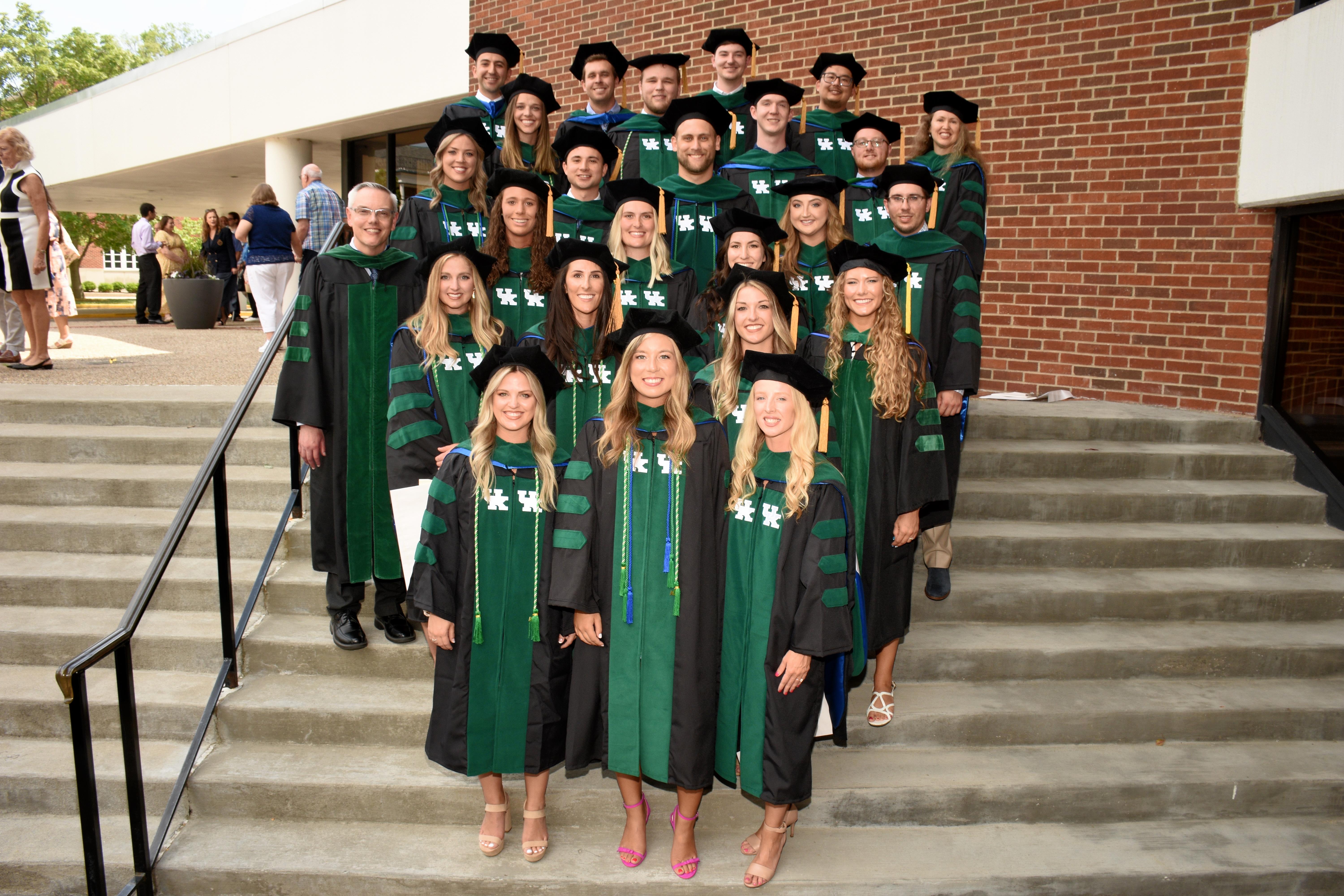
Years later, she would sit in classrooms and clinics on the University of Kentucky College of Medicine-Bowling Green Campus — as part of its inaugural class — training to become the kind of physician her community needed.
Dr. Whittaker’s understanding of limited access to care guided her decision to train in Kentucky and ultimately practice here.
That same commitment also shaped the journey of classmates like Amanda McGeorge, MD ’22, who grew up in Monroe County watching family members manage chronic illness while navigating long distances for care.
“A few of the drivers that pushed me toward medicine had to do with those experiences,” said Dr. McGeorge. “They struggled to get the care that they needed close to home.”
For these students, the need for physicians in Kentucky who understand rural communities firsthand was not theoretical. It was personal.
When the UK College of Medicine-Bowling Green Campus was opened in 2018, in partnership with Western Kentucky University and Med Center Health, the goal was both ambitious and practical: train physicians close to home to strengthen Kentucky’s physician workforce, particularly in rural communities.
Now, as members of the inaugural class complete residency, their paths are beginning to show what that vision looks like in practice as many return to the Commonwealth.
Building a Campus and a Community
The Bowling Green Campus’ first class helped shape the regional campus culture, while benefiting from the resources of a long-established academic medical institution.
Luke Gaskin, MD ’22, a Western Kentucky University graduate, chose the Bowling Green Campus for its proximity and size. “It was much closer to home than Lexington, and it was smaller,” he said. “I felt like I would really get to know my preceptors and mentors closely.”
That educational model proved transformative. With fewer layers between students and attending physicians, clinical learning was immediate and immersive. On many rotations, students worked one-on-one with physicians, gaining early autonomy and confidence.
“A lot of times on your rotations, it was just you and the doctor,” said Dr. Gaskin. “You weren’t competing with residents or fellows for hands-on exposure.”
Dr. McGeorge echoed that experience. “There were hands-on opportunities that, at larger university hospitals, are harder to have,” she said. “Having that freedom and autonomy really gave me the confidence going into residency.”
The intimate campus environment also fostered strong mentorship and close peer relationships. The shared experience of building something new — navigating growing pains, celebrating milestones, and learning together — created a tight-knit cohort grounded in collaboration rather than competition.
“There was almost an indescribable bond that we all formed,” said Dr. McGeorge. “The ups and downs of navigating a new campus created a sense of community that turned us into a family.”
Training Away and Coming Back
After graduation, the inaugural class spread across the Commonwealth and nearby states for residency and fellowship training. But for many of them, returning home was always part of the plan.
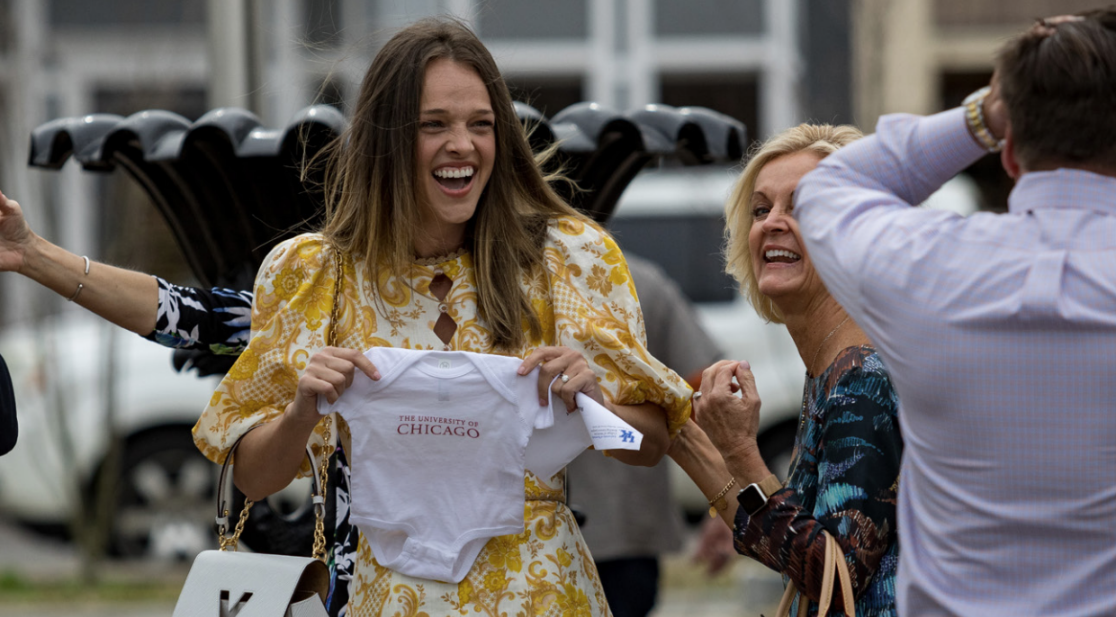
For Dr. Whittaker, who completed an emergency medicine residency at the University of Chicago, that has added deeper meaning to daily practice. Back at Med Center Health in Bowling Green, she’s caring for patients whose lives and challenges mirror her own upbringing. It reinforces why she chose this path.
And this place.
“There’s something really special about caring for people who remind you of where you came from,” she said.
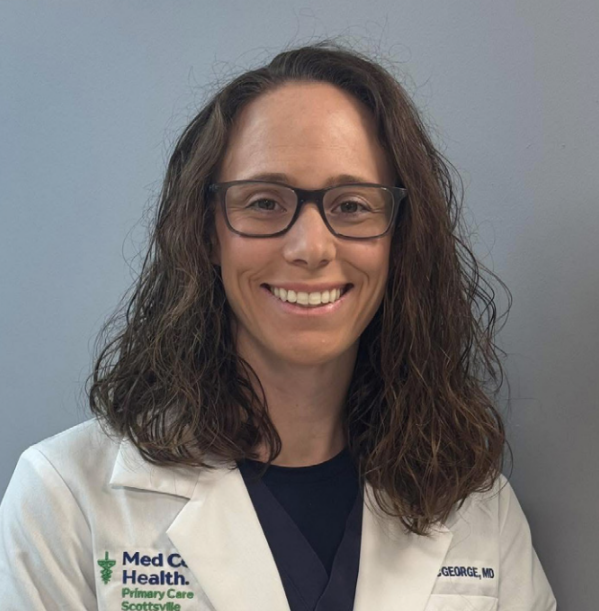
Dr. McGeorge completed UK’s internal medicine residency program in Lexington before returning to the region. She is now serving as a primary care doctor in Scottsville, Ky., less than an hour from where she grew up.
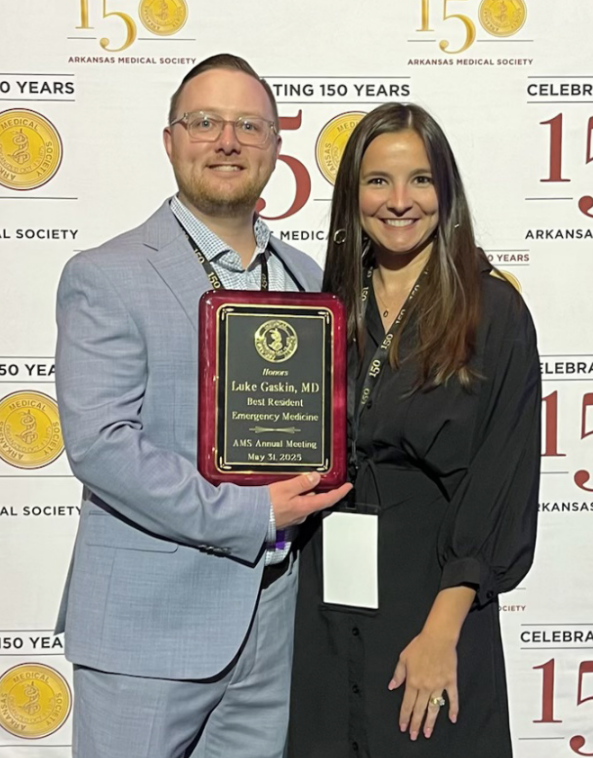
Dr. Gaskin completed an emergency medicine residency at Unity Health in Searcy, Ark., drawn there for a community-based program, yet Kentucky remained his long-term destination. Returning to the Commonwealth, he joined the emergency department of a community hospital in Greenville.
“For the most part, I always figured I would come back,” he said. “There was never really a plan to not come back.”
Today, these alumni practice in communities that closely resemble their hometowns, places where trust, familiarity, and continuity of care make a measurable difference.
Four Campuses. One Mission.
Their decision to practice here comes at a critical time. According to the Cicero Institute, Kentucky ranks near the bottom nationally in physicians per capita, with more than 100 of its 120 counties designated as Health Professional Shortage Areas. While about 40 percent of Kentuckians live in rural communities, only 17 percent of primary-care physicians practice there. Between 2018 and 2022, the state lost more than 12 percent of its licensed physicians, even as demand for care continues to grow.
The UK College of Medicine-Bowling Green Campus is one part of our broader, statewide effort to strengthen Kentucky’s physician workforce. Across our four campuses — Bowling Green, Lexington, Morehead, and Northern Kentucky — students train in diverse settings while sharing a common mission: advance the health of Kentucky’s communities.
Regional campuses expand access to medical education, connect students to local mentors, and address workforce needs unique to each area, while remaining unified by a single curriculum, shared resources, and a commitment to service.
As new classes follow in the footsteps of those first students, the impact is already clear: stronger communities, a more resilient physician workforce, and a growing network of alumni proving that when physicians train close to home, they are far more likely to stay and serve there.